
Notes: For the New Face
Editorial vs Commercial Modelling
Different requirements, different pay, and why most careers use both.
In short: Editorial vs commercial modelling compared: what each requires, how the pay differs, and why most modelling careers end up using both.
What each one actually is
These are different jobs that happen to share the word "modelling". Confusing the two, or only chasing one, is a common early mistake, and most people don't know what separates them beyond "editorial is fancier".
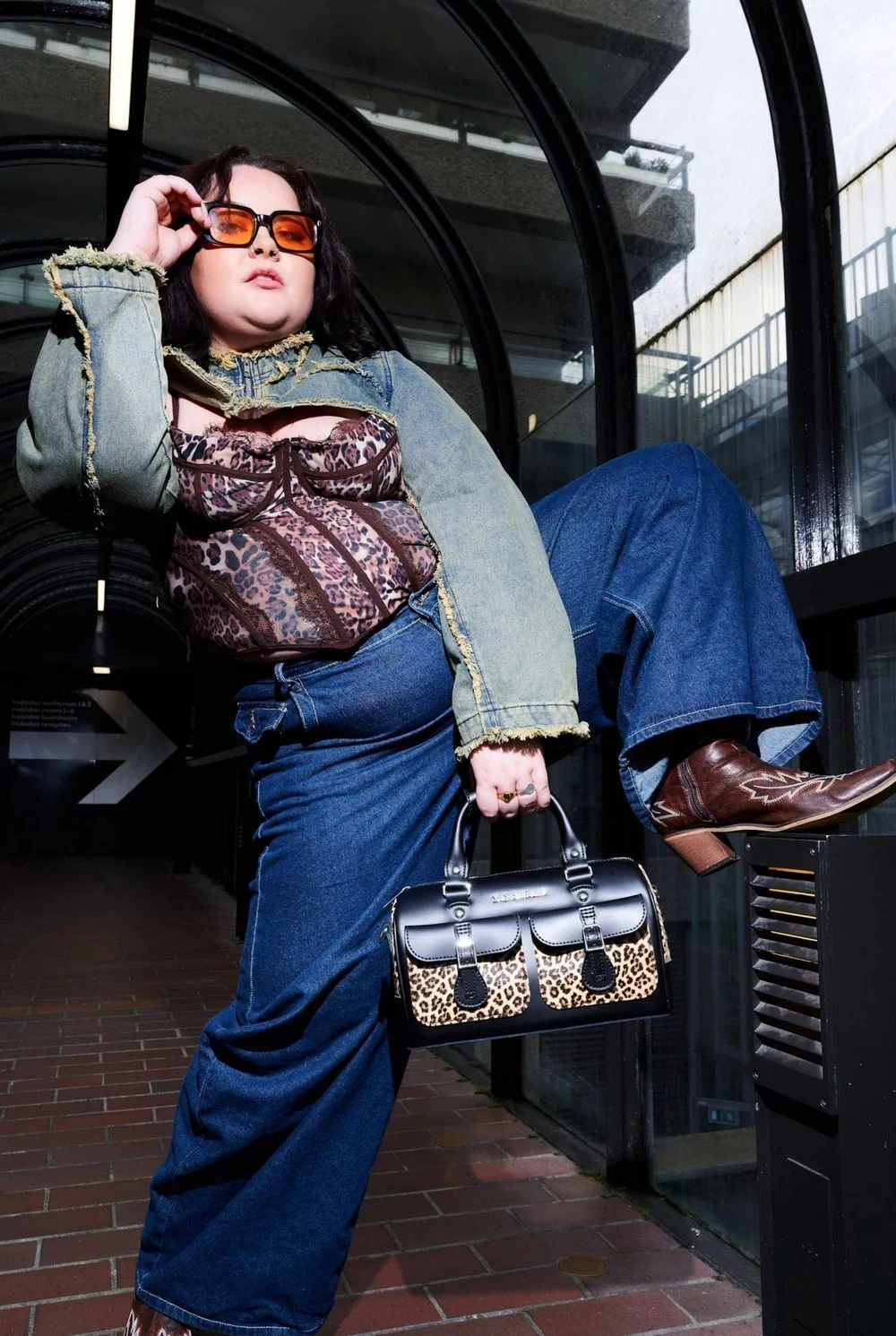
Editorial is stylish, expressive, and built around a concept rather than a product. It's often about a person, a lifestyle, or even just a mood, and it can lean anywhere from high-art and abstract to something closer to documentary storytelling. Magazine spreads, high-end designer campaigns, and fashion weeks all sit here. Very little of it is about selling something directly, the point is the image, the story, or the idea it's built around.
Commercial is purely about selling a product. Advertising for a leaflet, a billboard, an exhibition stand, anywhere the actual goal is getting someone to buy something. It's built around relatability, clean expression, and how believably you sell an ordinary product to an ordinary person, and there's a lot more of this work available than editorial, since almost every brand needs it.
The physical requirements differ
Editorial doesn't care that much about height or size, the requirement is a strong, distinctive look that fits the concept, whatever that concept happens to be. Commercial is looking for the opposite, either a conventionally "perfect" look, or specifically someone who personifies the ideal customer or identity of the brand doing the hiring.
This is the single biggest reason someone who doesn't fit a narrow editorial mould can still have a full commercial career, and why plenty of commercial models never book an editorial job at all.
Why the same faces keep showing up in the same campaigns
Notice how a brand often uses the same model, or visibly similar models, across several campaigns in a row? That's not laziness, it's consistency of character, story, or visual identity. A brand builds a recognisable look over time, and once a model fits that identity, they get booked again and again because the brand is protecting something it's already built, not starting from scratch each time.
Applying for commercial work is, in part, applying to that visual identity rather than just to a single job. Understanding whose identity you naturally fit can narrow down where to focus your applications.
The financial reality
Editorial work carries real prestige but notoriously low immediate pay, often trade rates or a token day fee, sometimes none at all for the most prestigious publications. Commercial work is where most working models earn their income, through higher day rates and usage buyouts when an image is used in advertising.
The two feed each other. Editorial features build reputation and prestige, which agencies then use to justify premium commercial rates. Very few sustainable careers are built on editorial work alone.
A Few Questions