
Getting Started
Model Release & Usage Rights
What you're agreeing to when you sign a release, written from your side of it rather than the photographer's.
In short: What a model release actually grants, what UK law gives you by default, and what to check before signing anything.
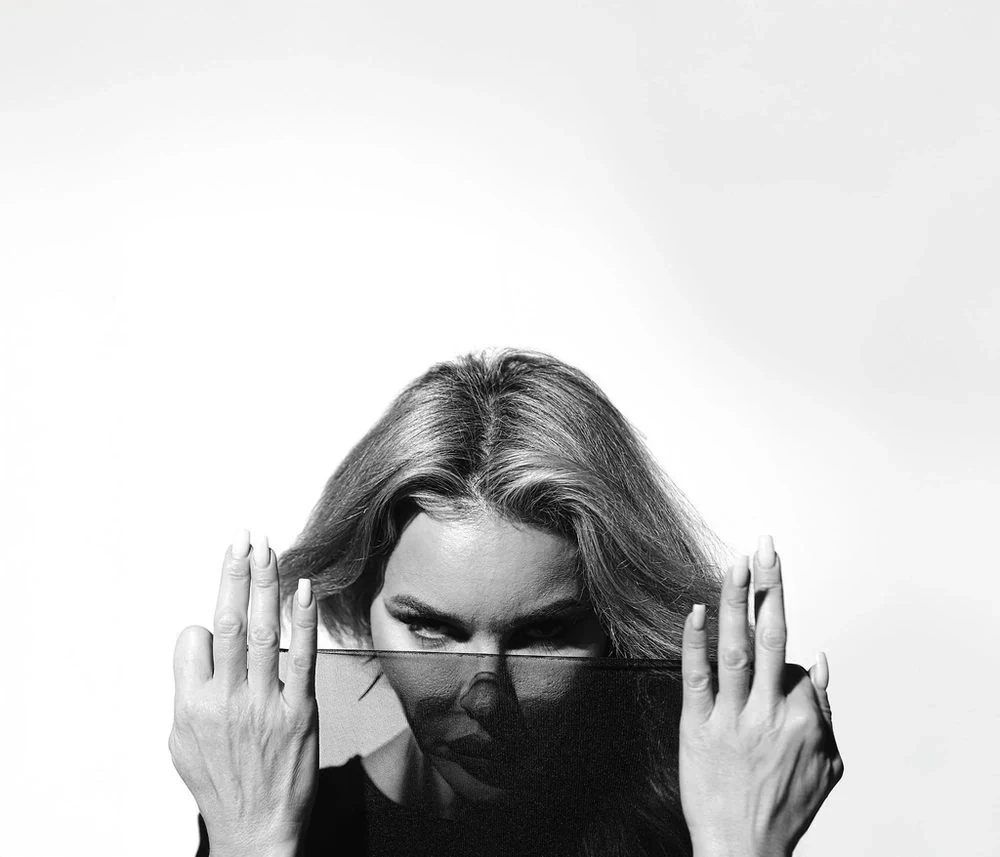
What a model release actually is
A model release is the document that decides what a photographer can do with your image, and what you're allowed to do with it yourself. Almost everything written about releases online is aimed at photographers and businesses working out how to protect themselves. Very little of it is written from your side, explaining what you're being asked to give away.
What UK law gives you by default
Under UK law, you don't automatically own rights to your own image the way you might expect. Whoever takes the photograph generally holds the copyright, and a release is what sets out everything else: how it can be used, for how long, and by whom. Nothing about this is unusual or exploitative on its own, it's simply the starting position, which is exactly why the release itself matters so much.
The phrase worth reading twice
Many standard releases, including some widely used free templates, grant a usage right that is "irrevocable, worldwide, and perpetual." In plain terms, that means forever, everywhere, with no way to take it back once signed, regardless of what happens later. That isn't automatically wrong for every situation, but it's worth noticing before signing anything, rather than treating a release as a formality to click through.
What's reasonable to ask before signing
Whether the usage is exclusive or non-exclusive, meaning whether you can also use the images yourself. Whether it's limited to a specific purpose, like a portfolio or a website, or unrestricted. Whether there's any time limit at all. None of these questions are confrontational, and anyone running a legitimate shoot should be able to answer them plainly.
What this site's terms actually grant
For sessions booked here, you keep a licence to use the images on your personal social accounts, your portfolio or modelling book, and through your agency for your profile, physical or digital. That licence doesn't expire. What it doesn't cover is selling the images or using them commercially, and printing is limited to portfolio use, all of which is set out in full in the Terms of Collaboration.
A simple way to check any release
Read what you're granting before what you're receiving. A release that reads clearly and answers the questions above without resistance is usually a good sign. One that's vague, unusually long, or grants rights with no limit at all in exchange for very little is worth pausing on before you sign it.
A Few Questions