
Outfit Guide
The New London Look
21 styles with reference images and styling notes, so you know what to bring before you arrive. Pick one or two, source them yourself, and describe them when you apply.
Filter styles
All 21 styles
Start with what you want to wear, a mood, a look or a colour. Each choice narrows the styles and opens more options.
No style matches all of those. Remove a choice above.
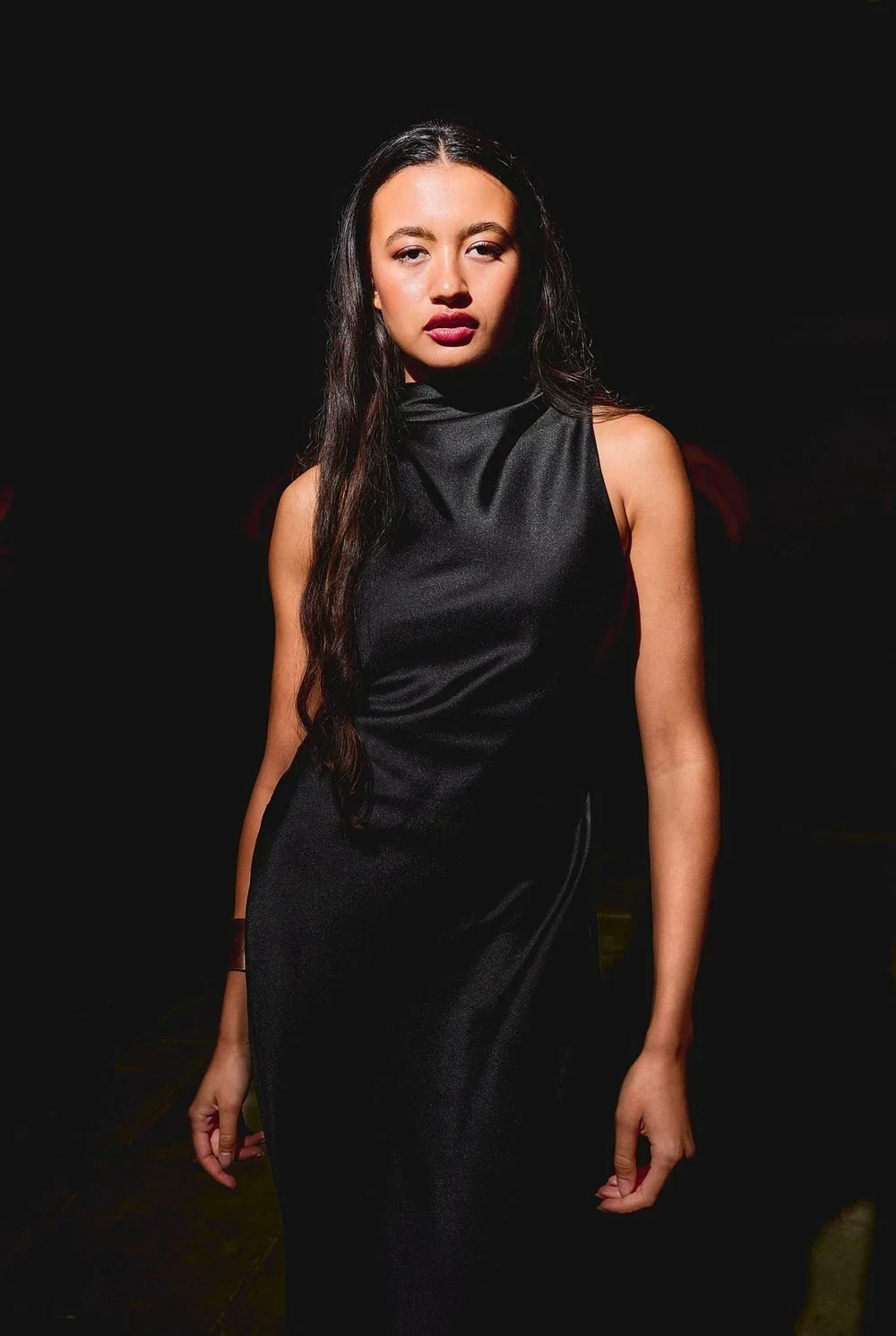 Style 01The Little Black DressDark Glamour / Classic
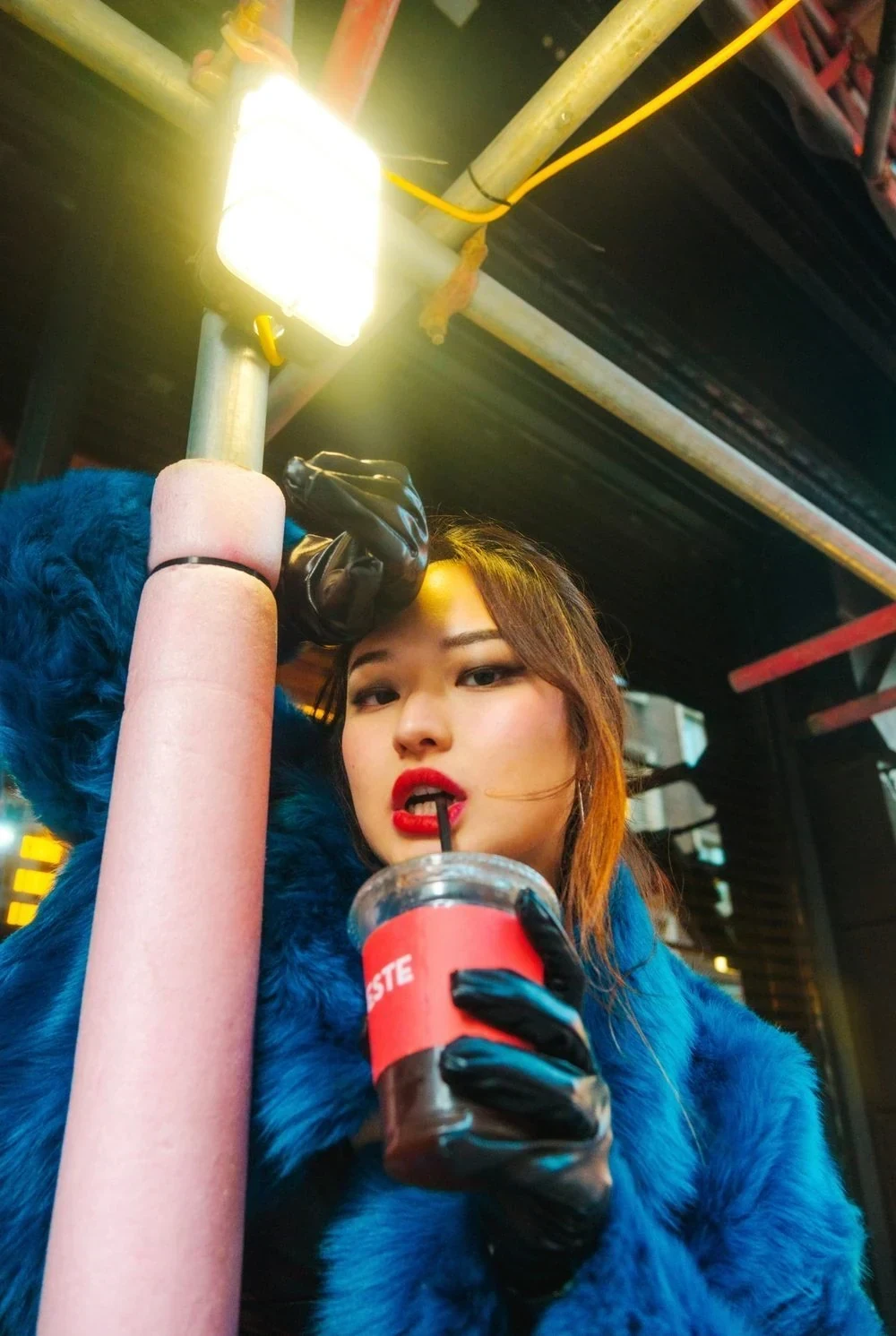 Style 02Textured PieceEditorial / Textured
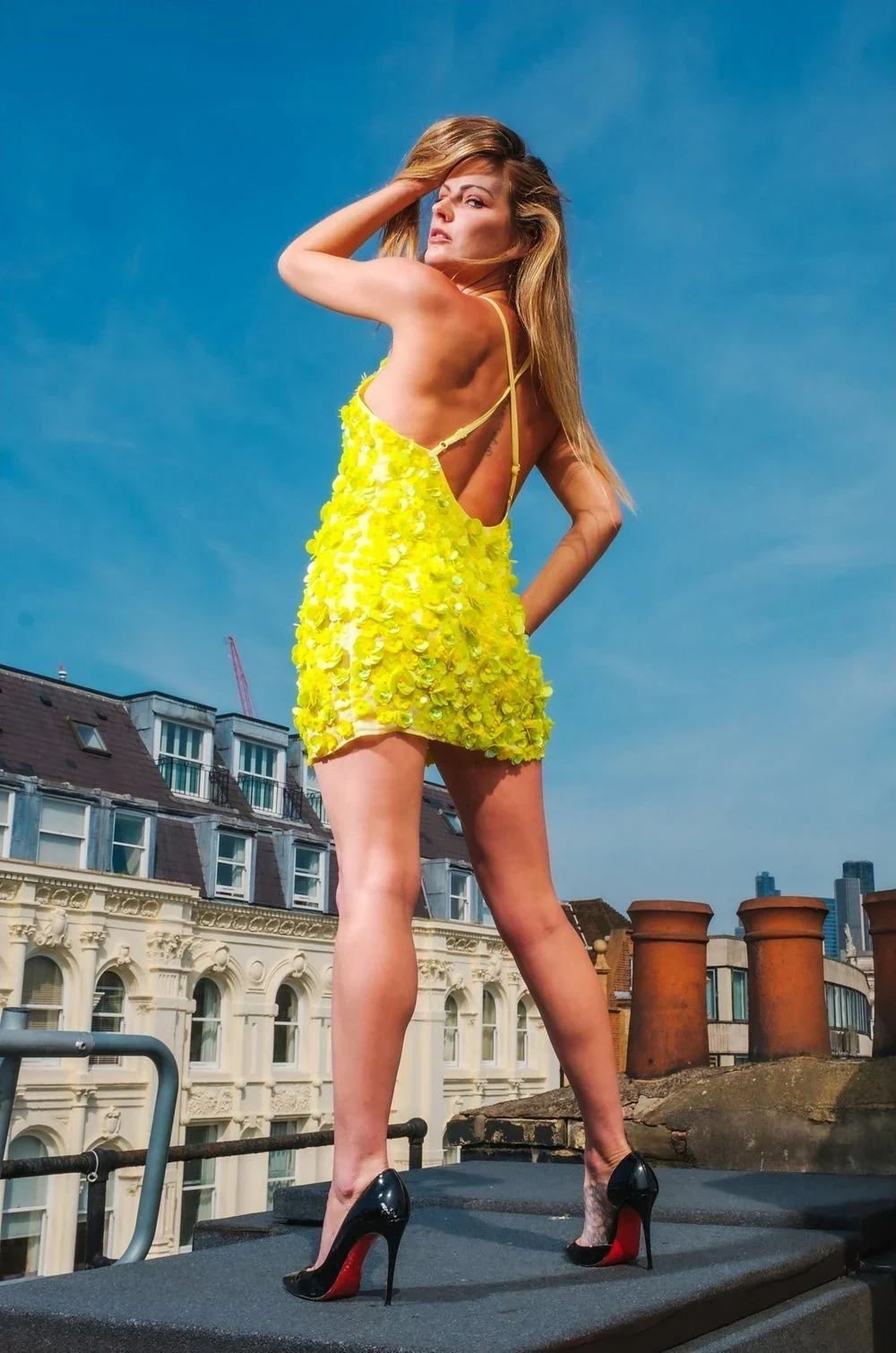 Style 03High GlossedHigh Impact / Glamour
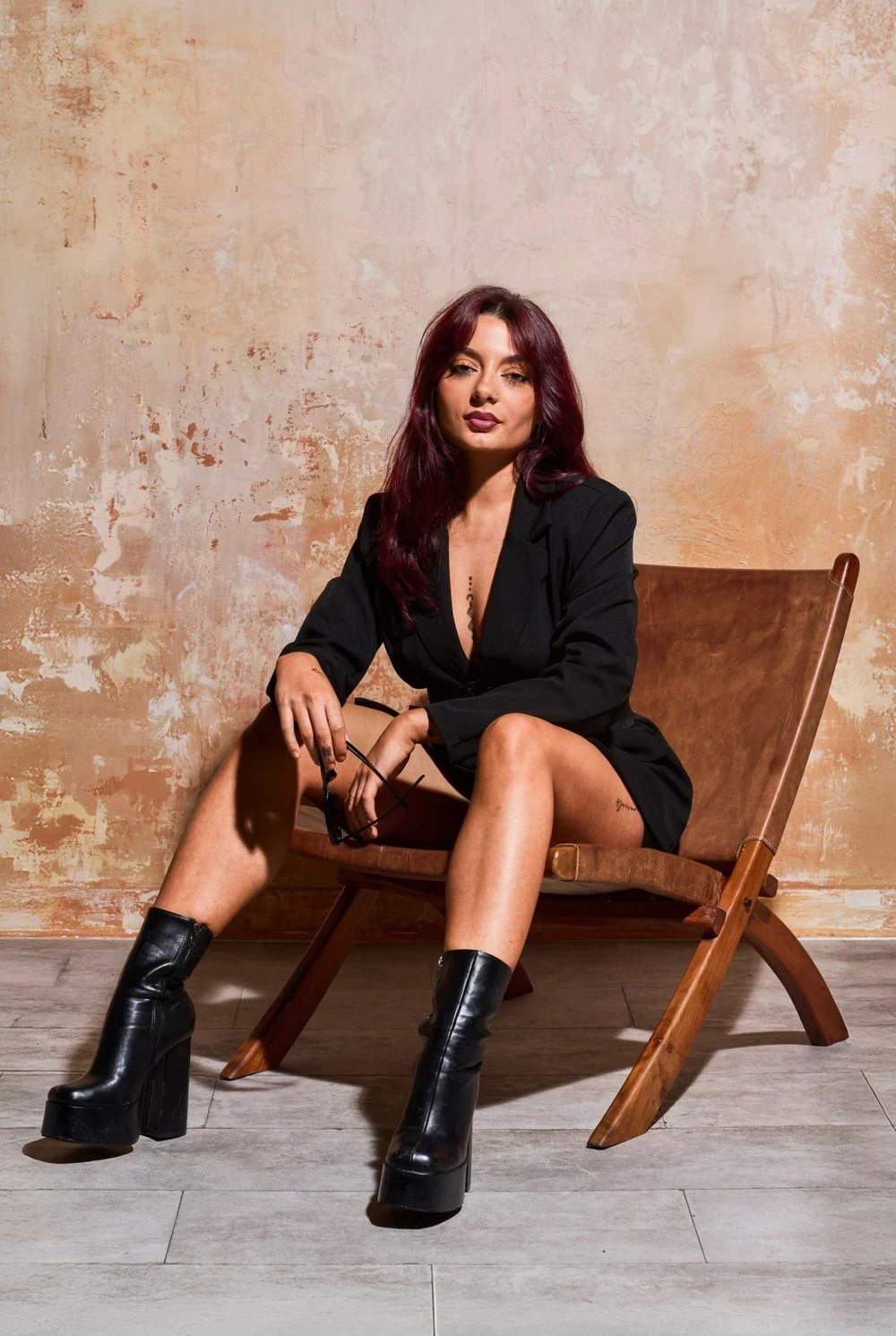 Style 04Stylish PunkPunk / Alt
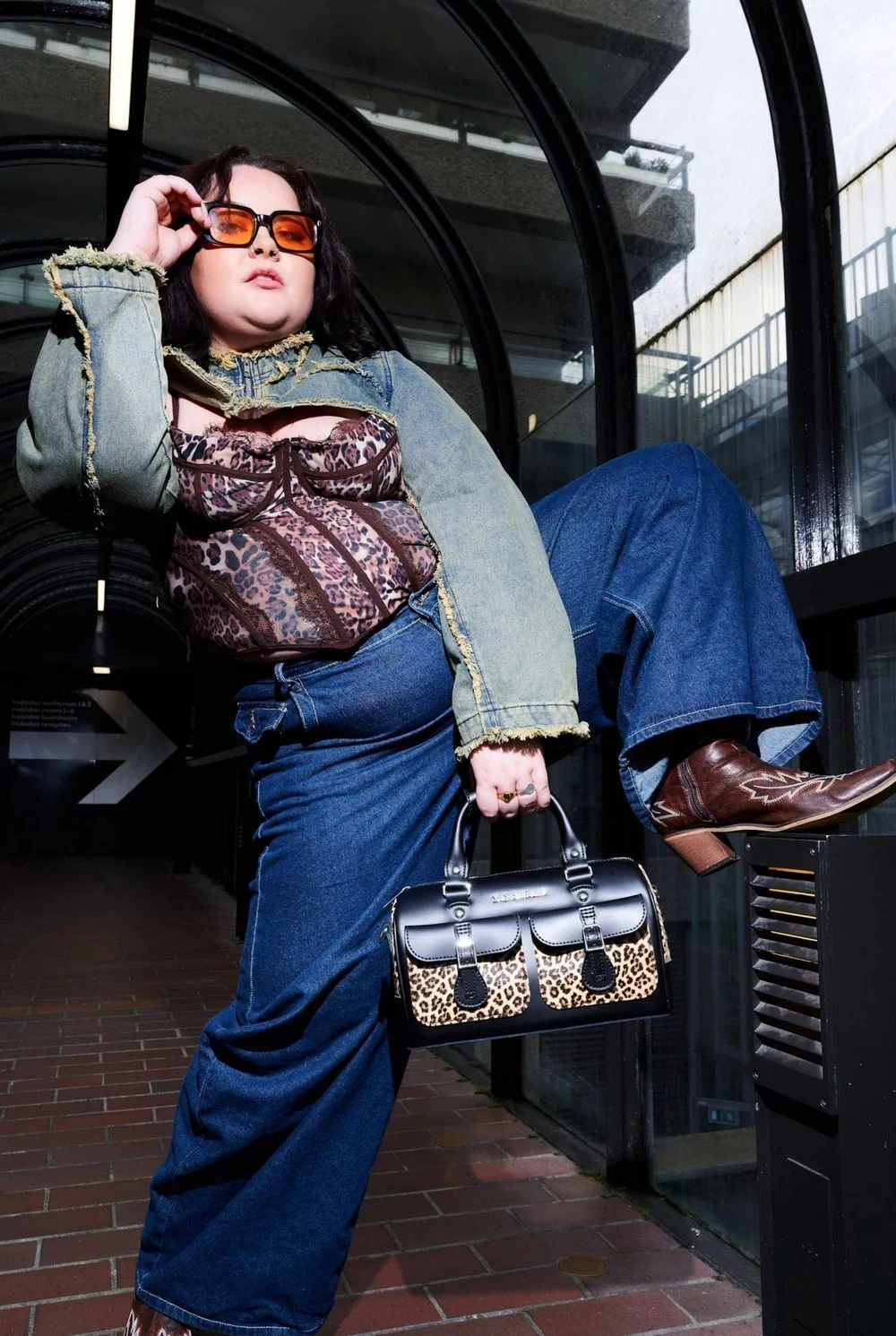 Style 05Colour ClashMaximalist / Textured
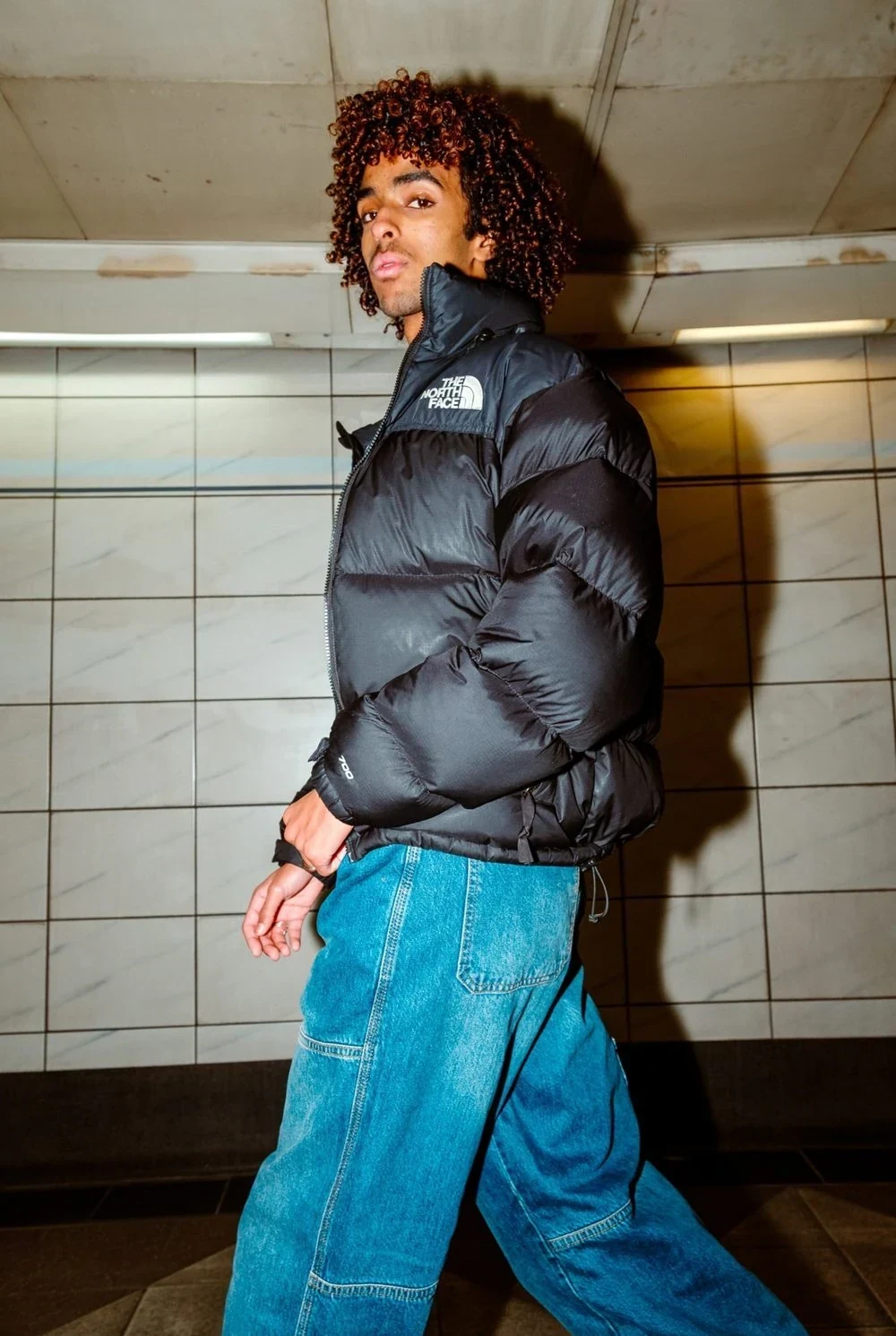 Style 06DowntownStreet / Casual
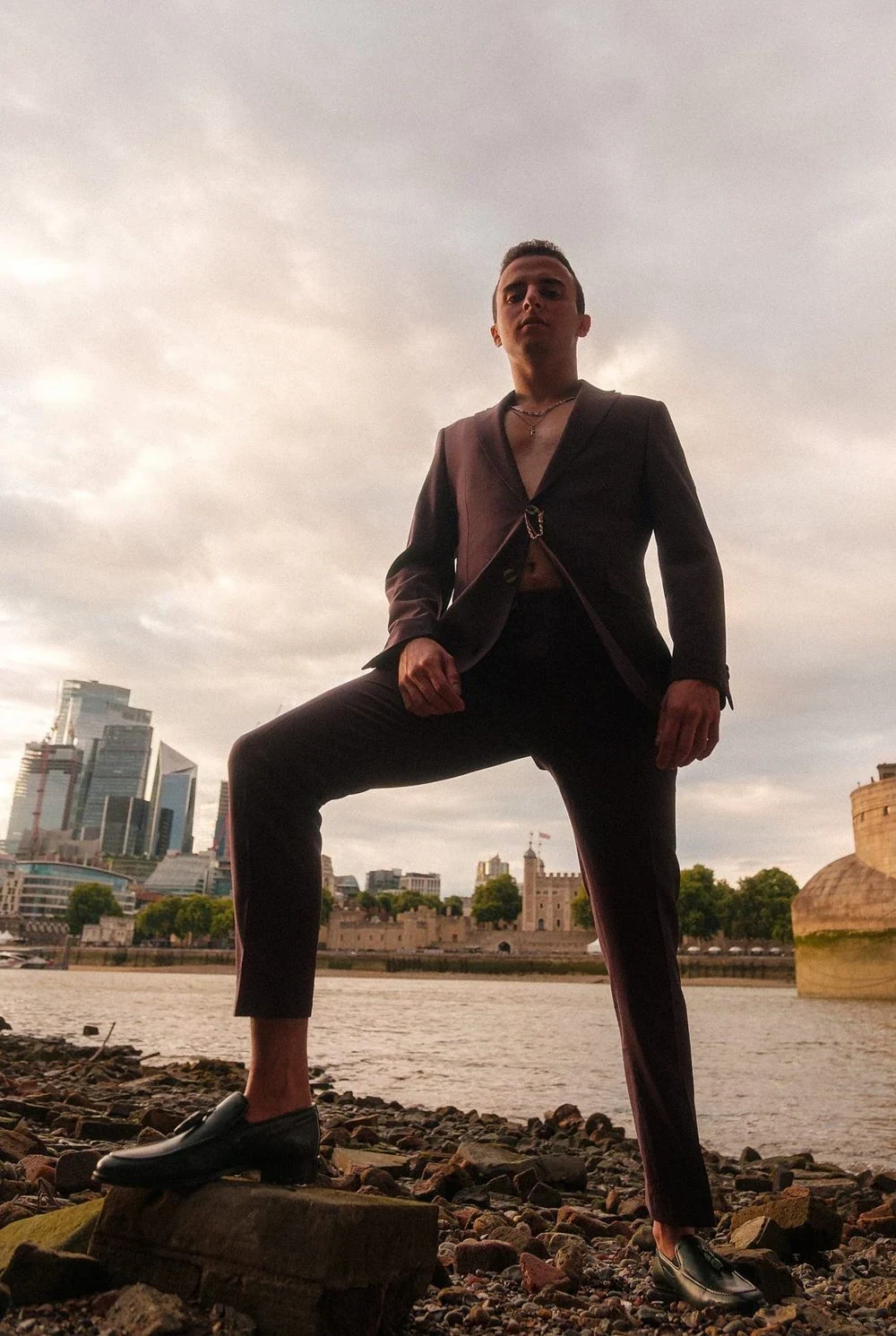 Style 07Dark TailoredTailoring / Editorial
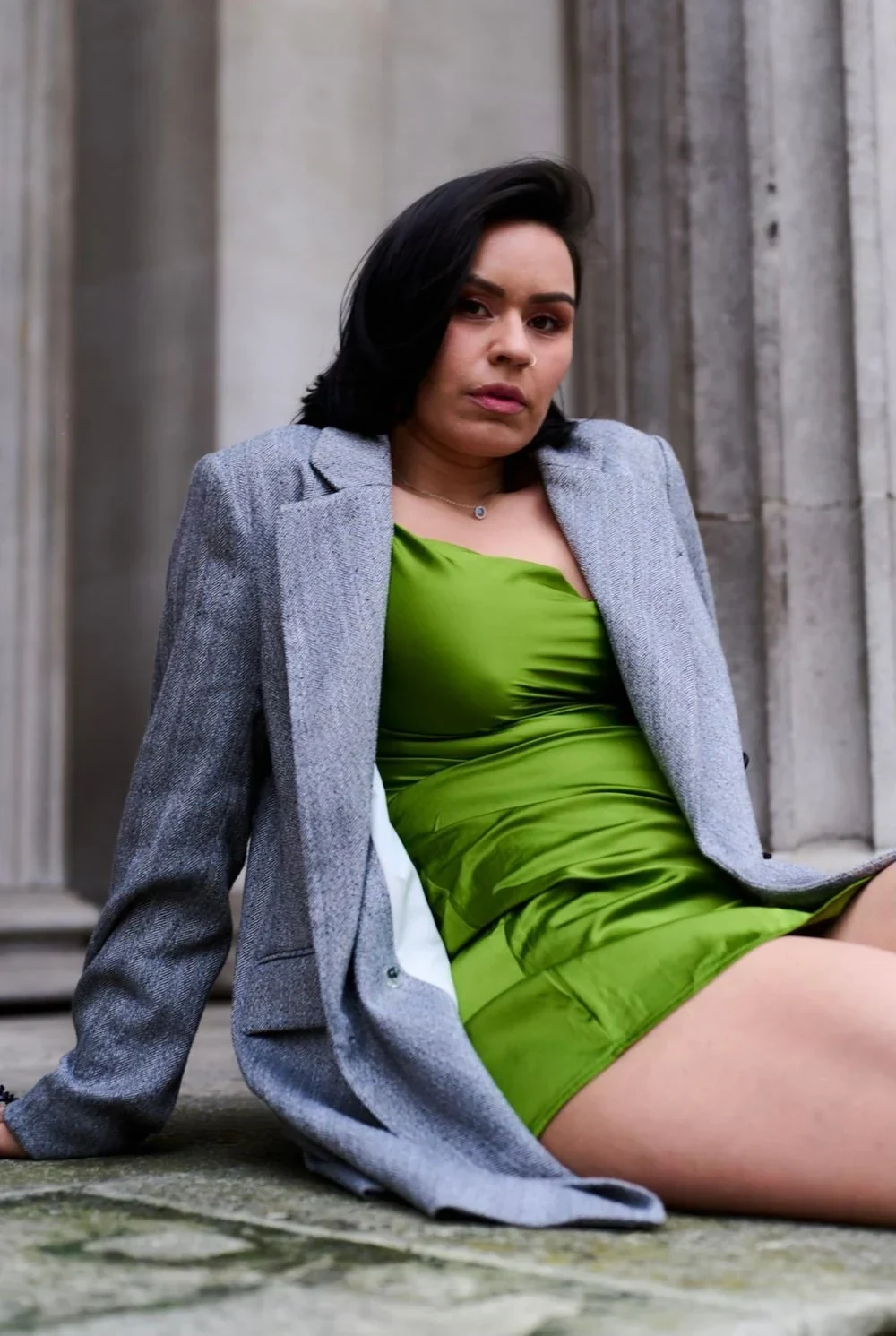 Style 08Satin & SilkGlamour / Editorial
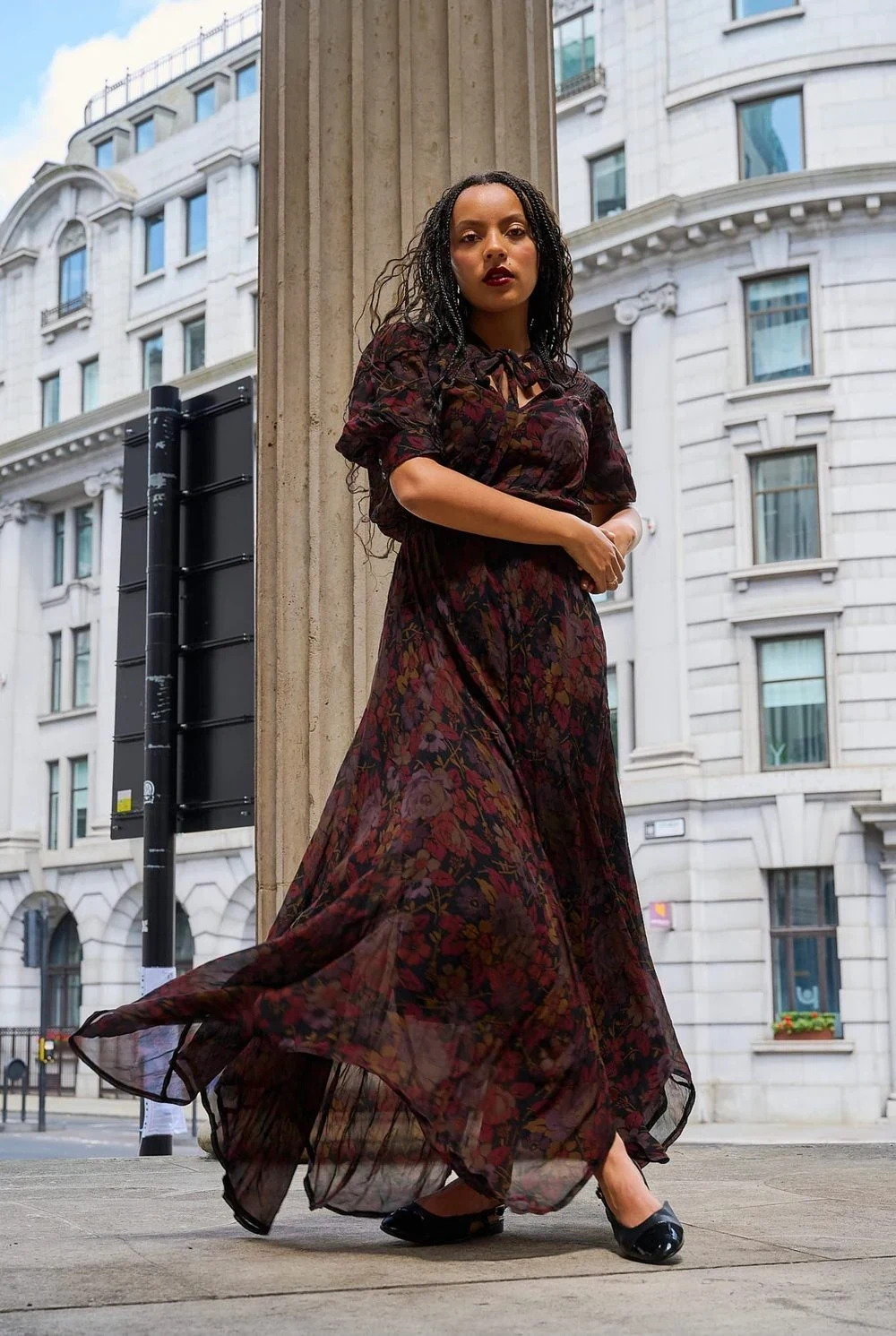 Style 09For Occasions OnlyDresses / Editorial
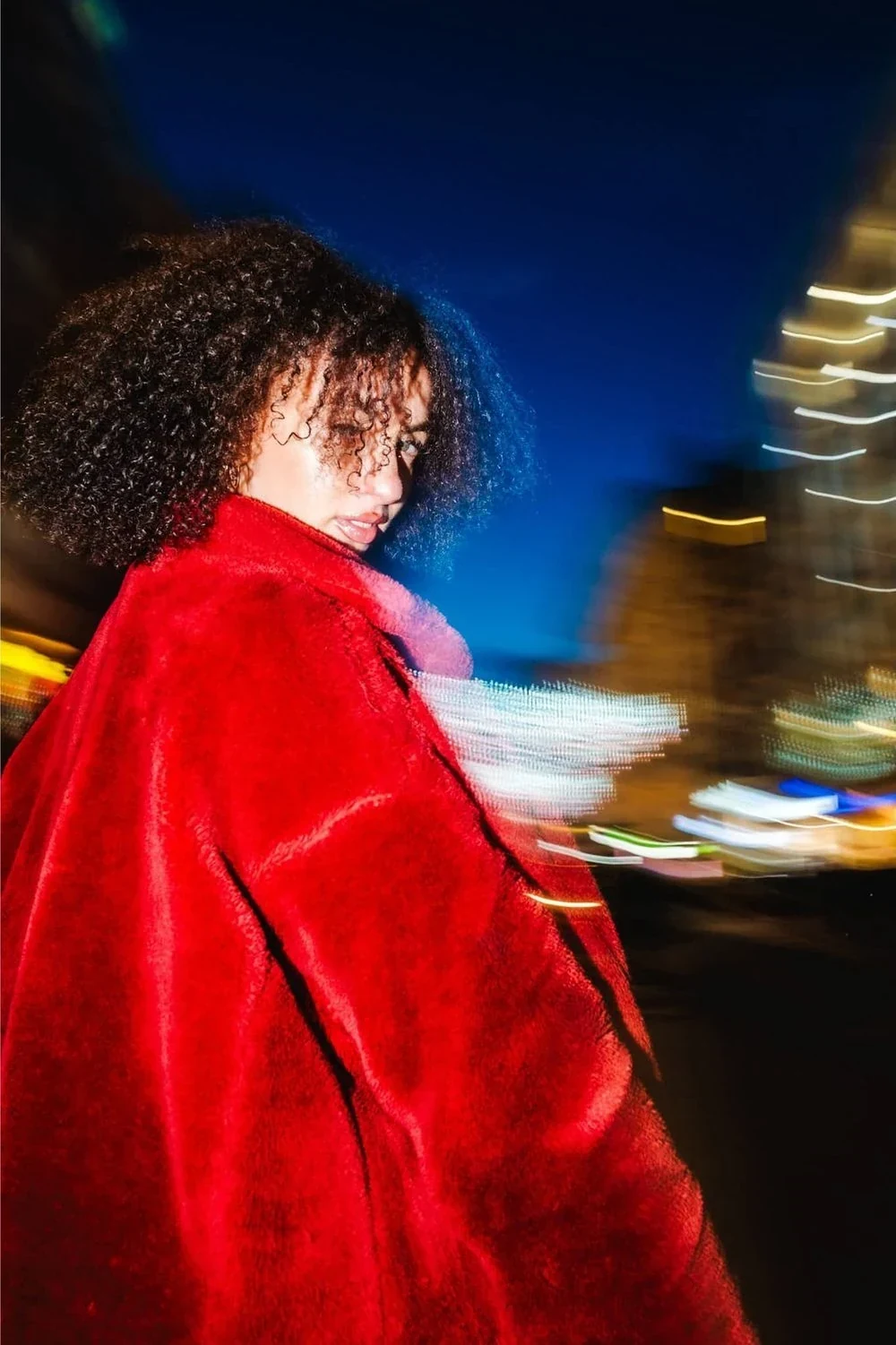 Style 10After HoursEvening / Editorial
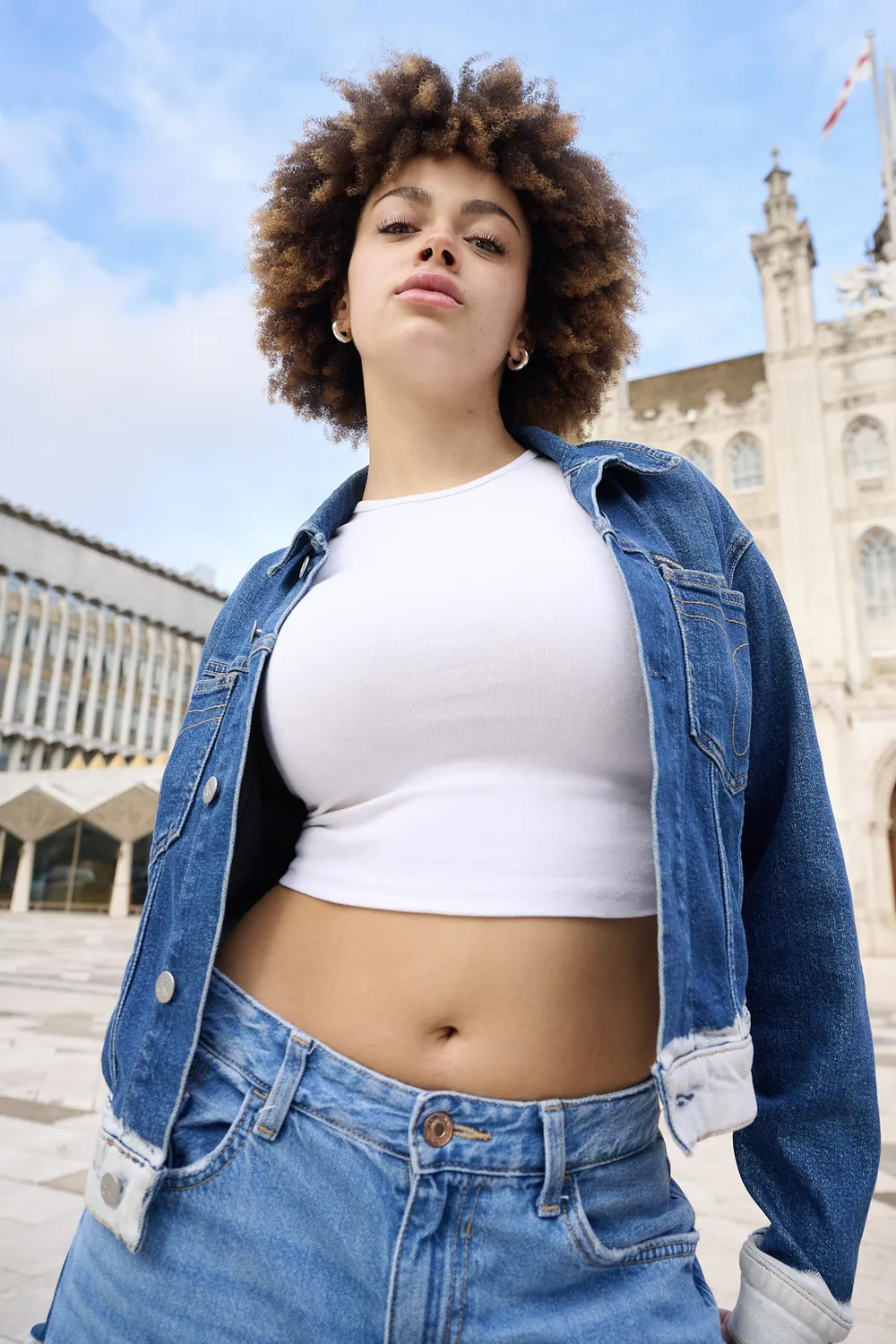 Style 11Canvas & IndigoDenim / Minimal
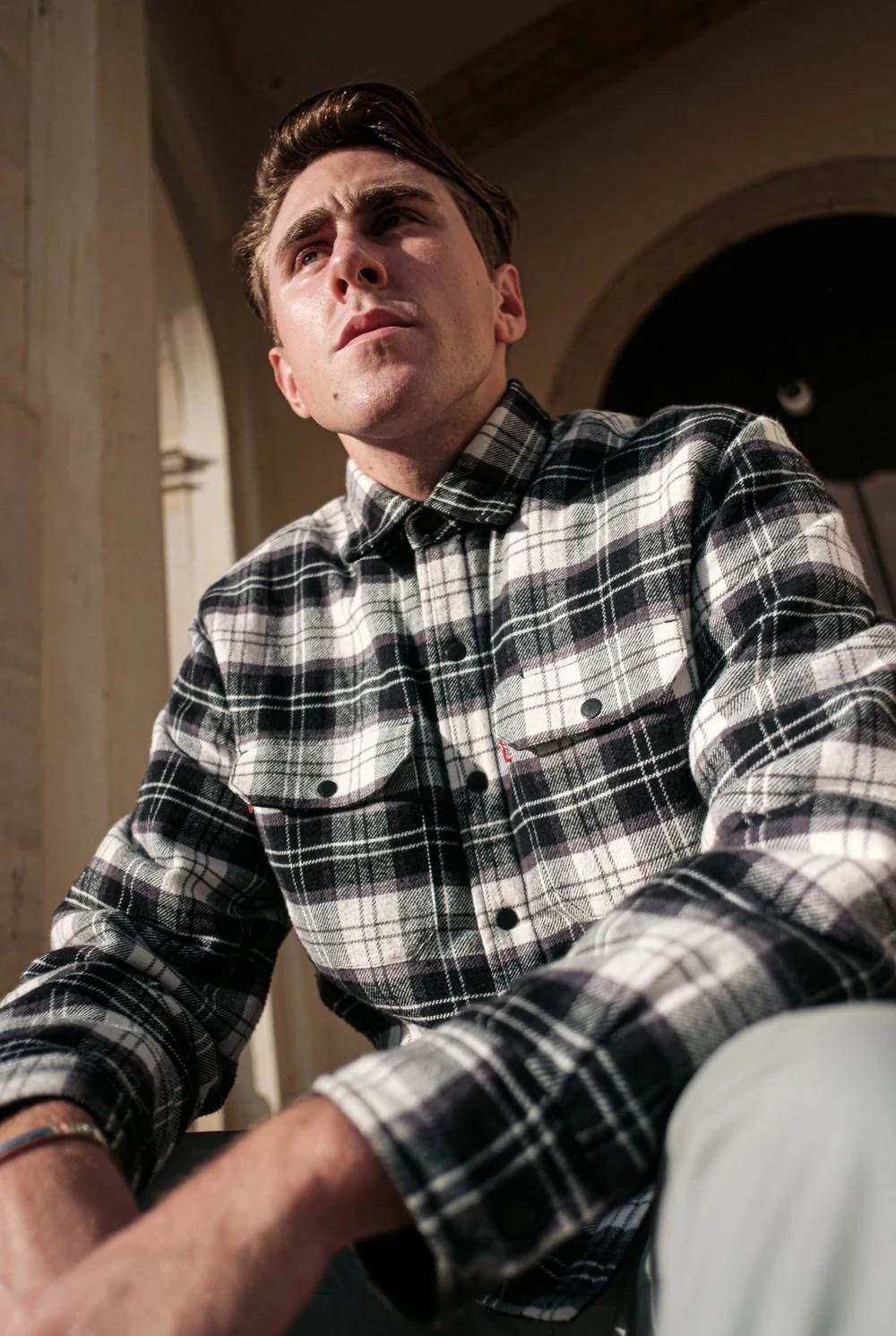 Style 12The UndoneStreet / Alt
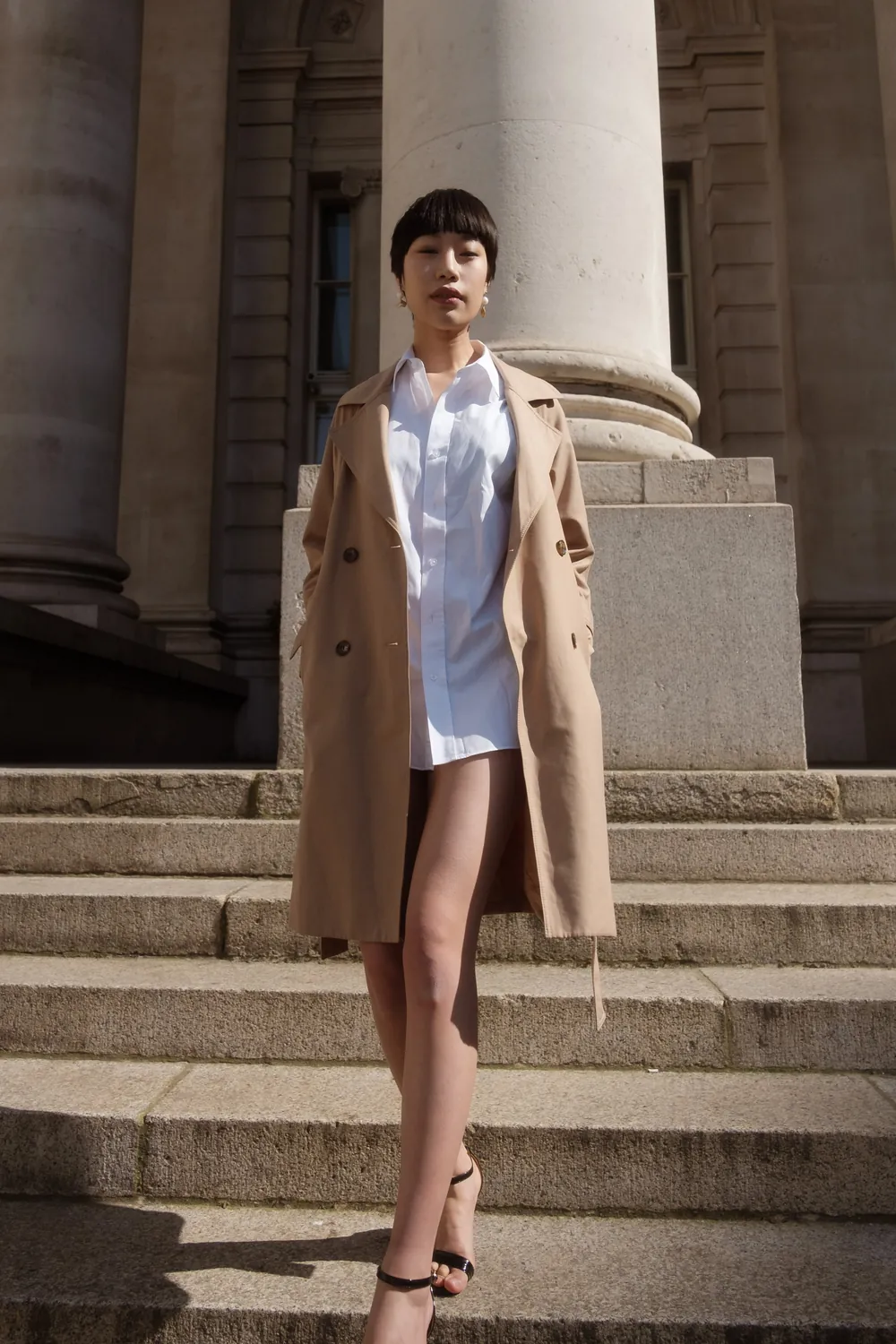 Style 13King's RowChelsea / Manhattan
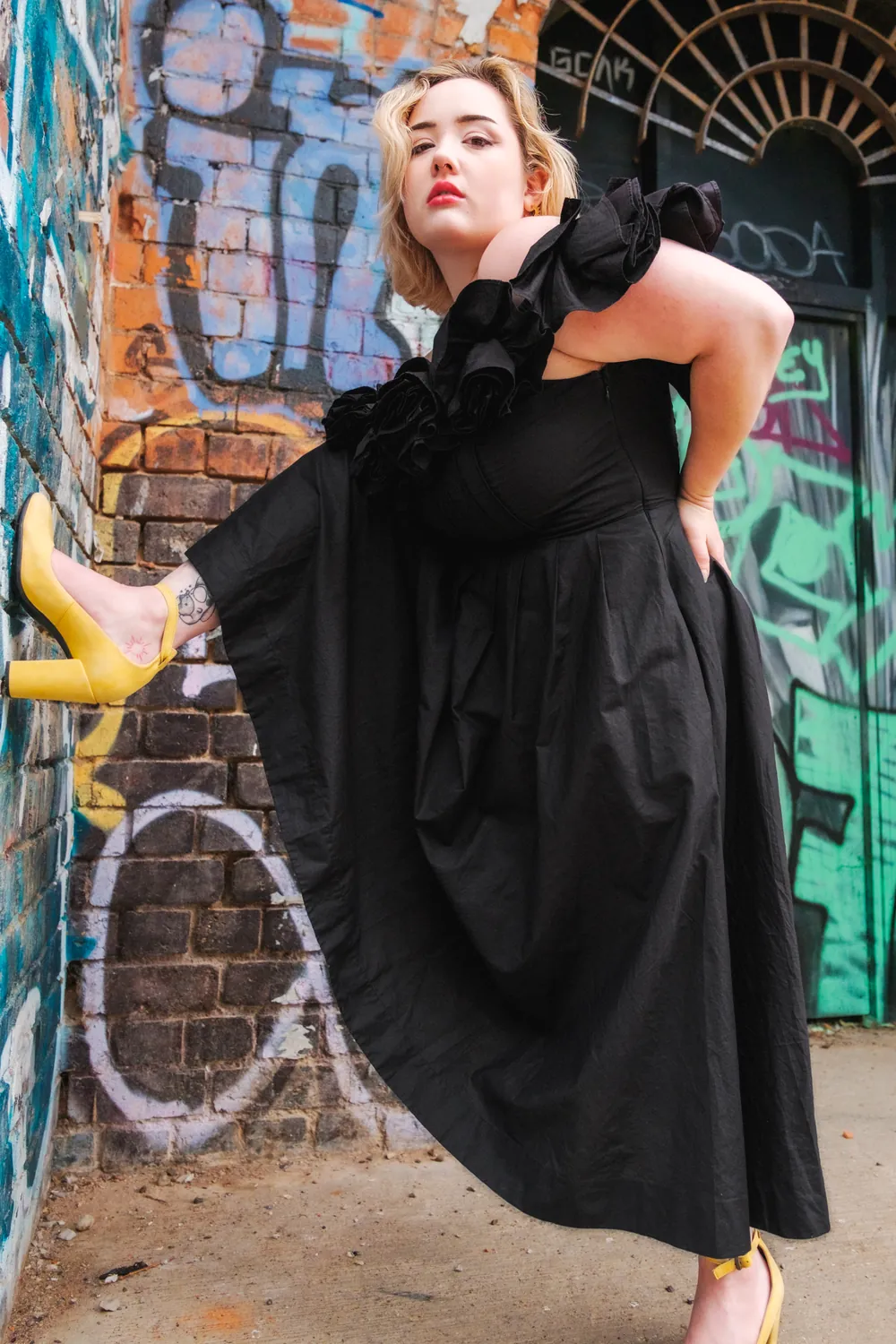 Style 14Hard RomanceRomantic / Punk
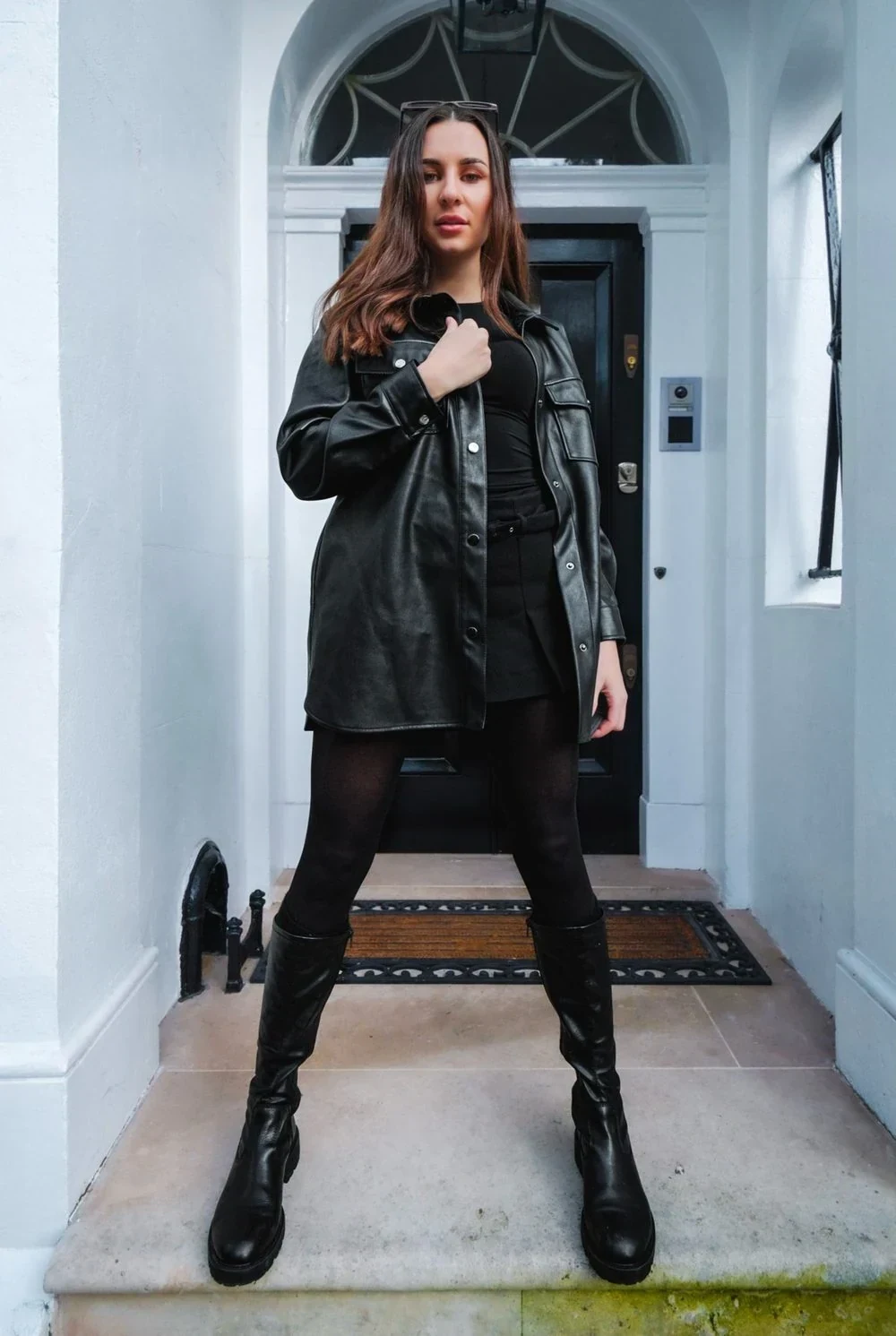 Style 15Turn Back TimeVintage / Retro
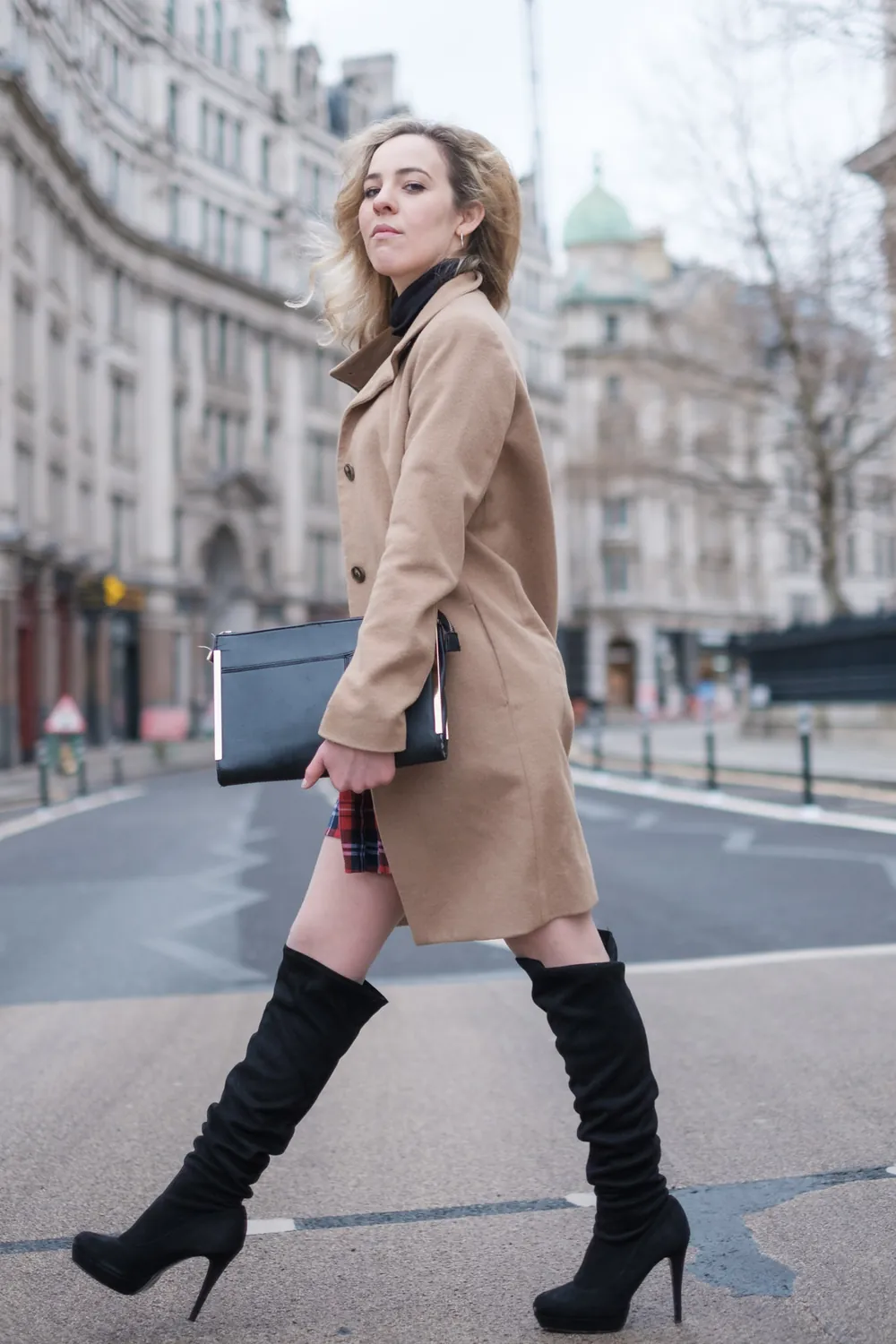 Style 16Square MileCity / Tailoring
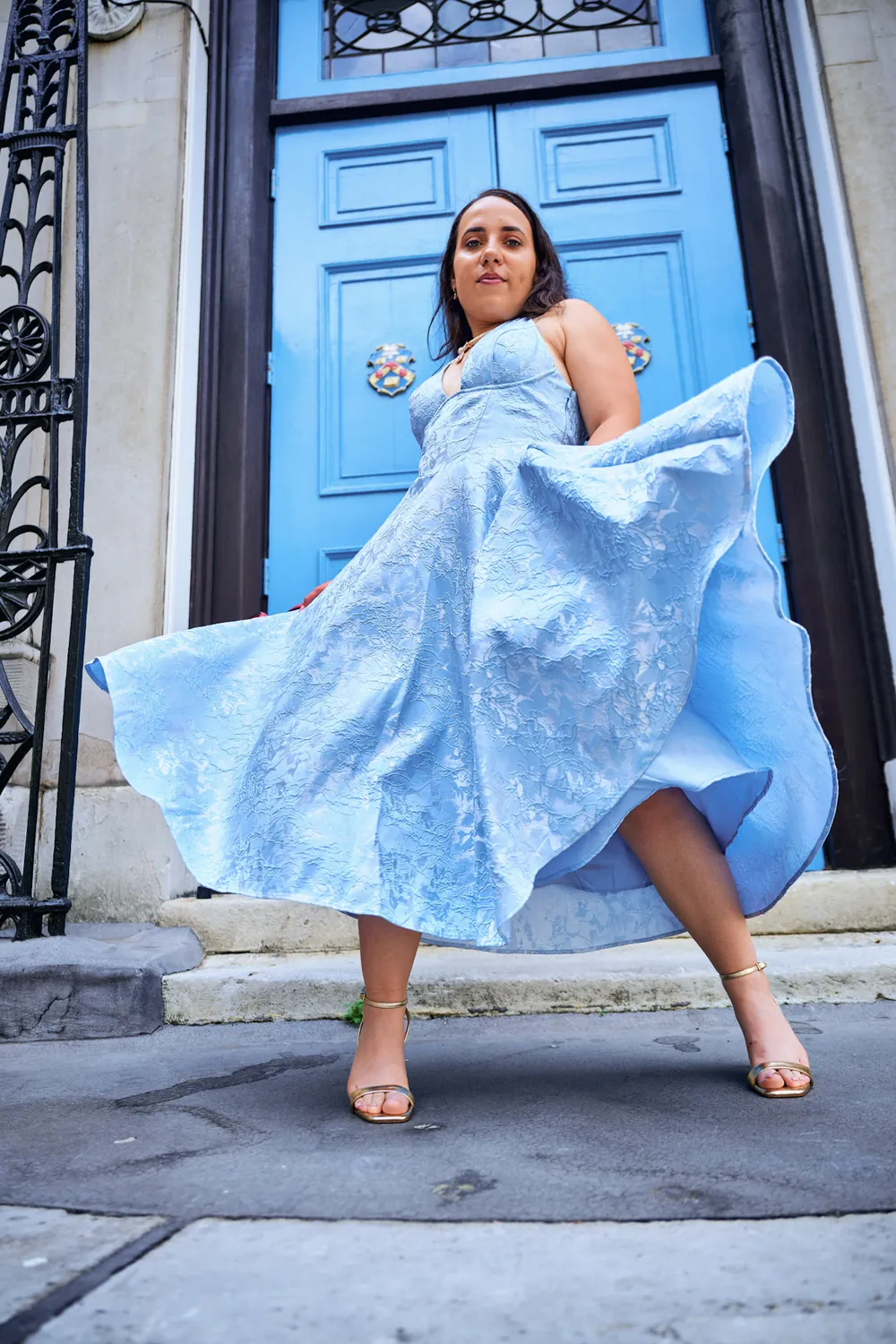 Style 17Belle & BallEvening / Formal
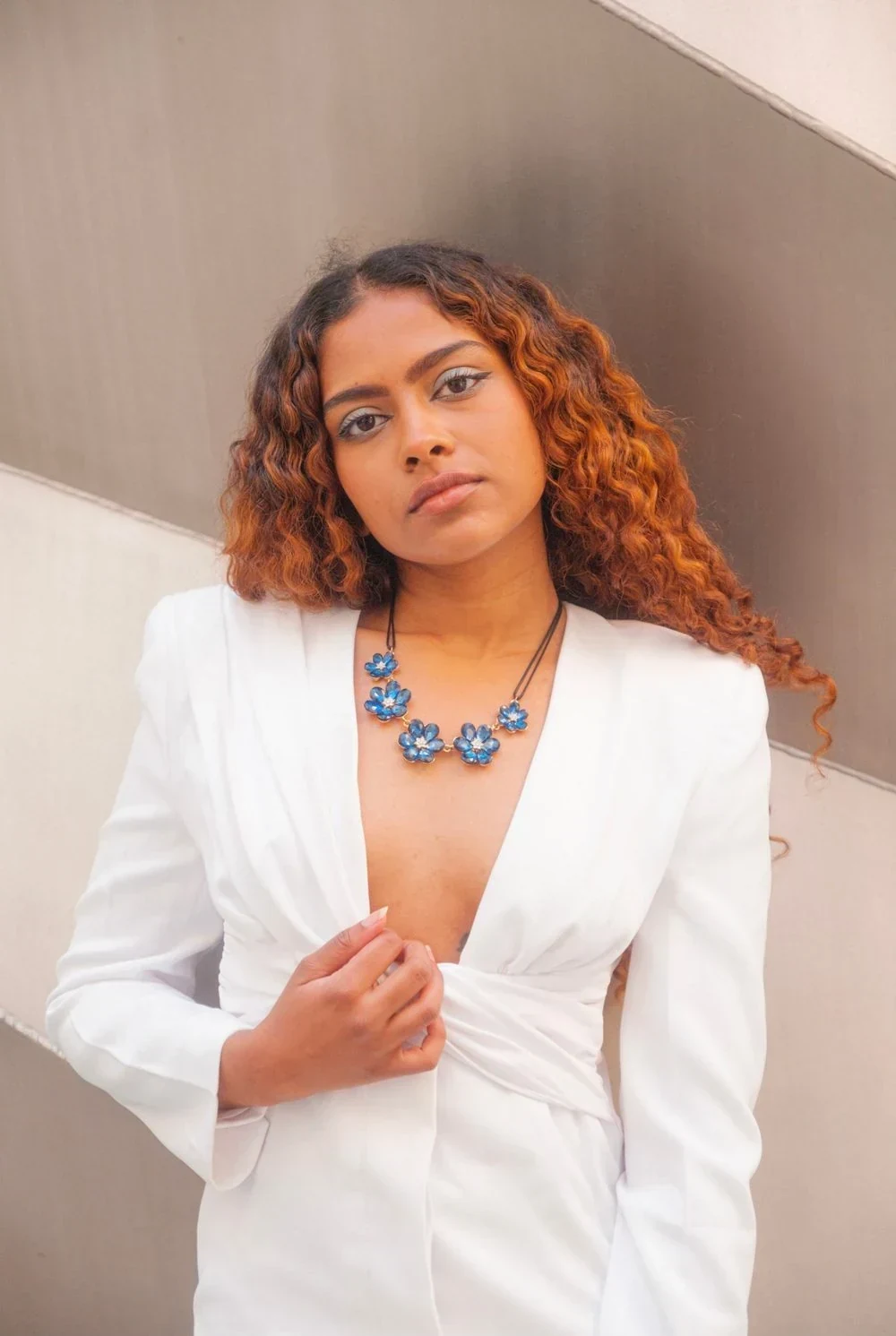 Style 18MonotonedMinimal / Editorial
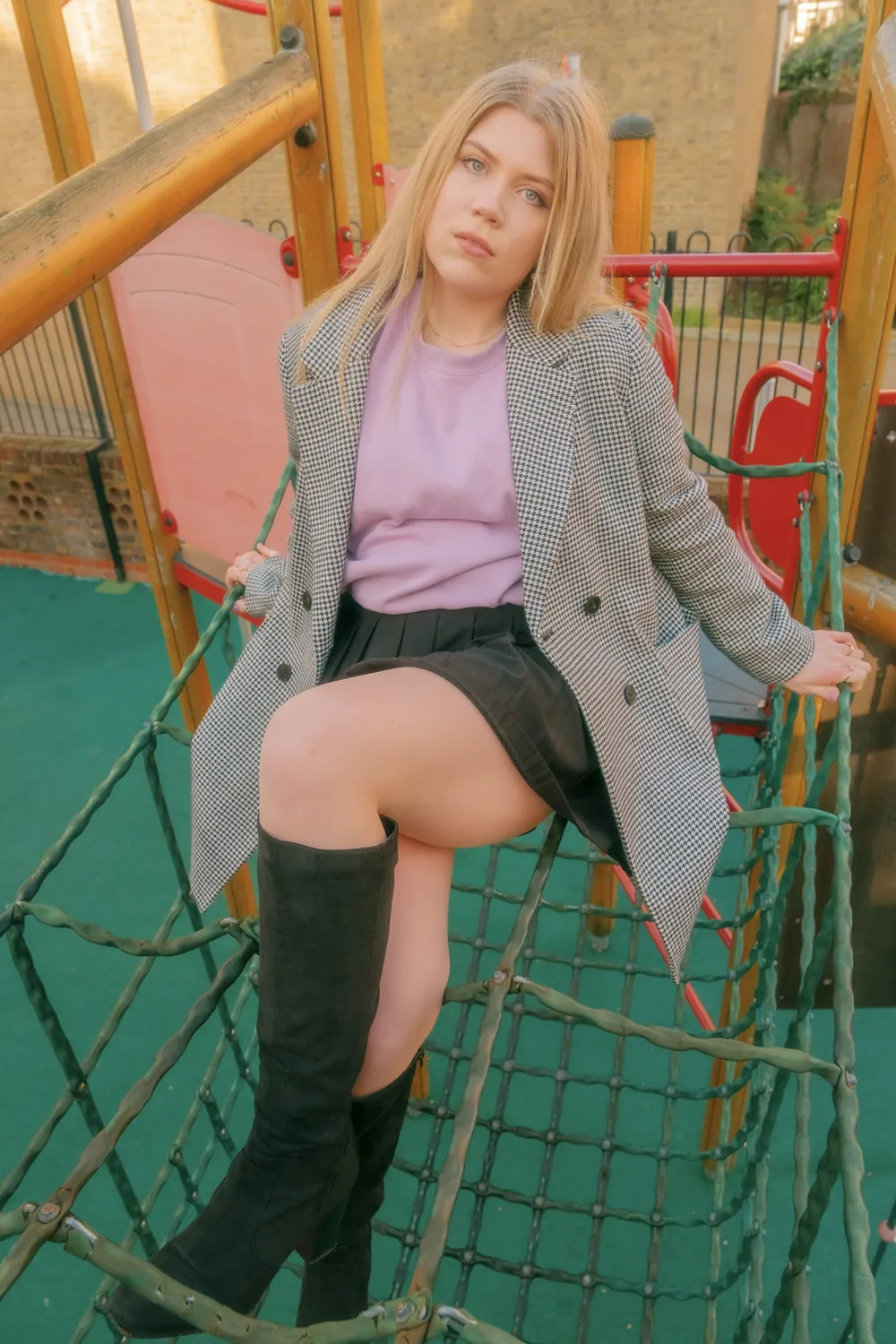 Style 19Cold FrontWinter / Outerwear
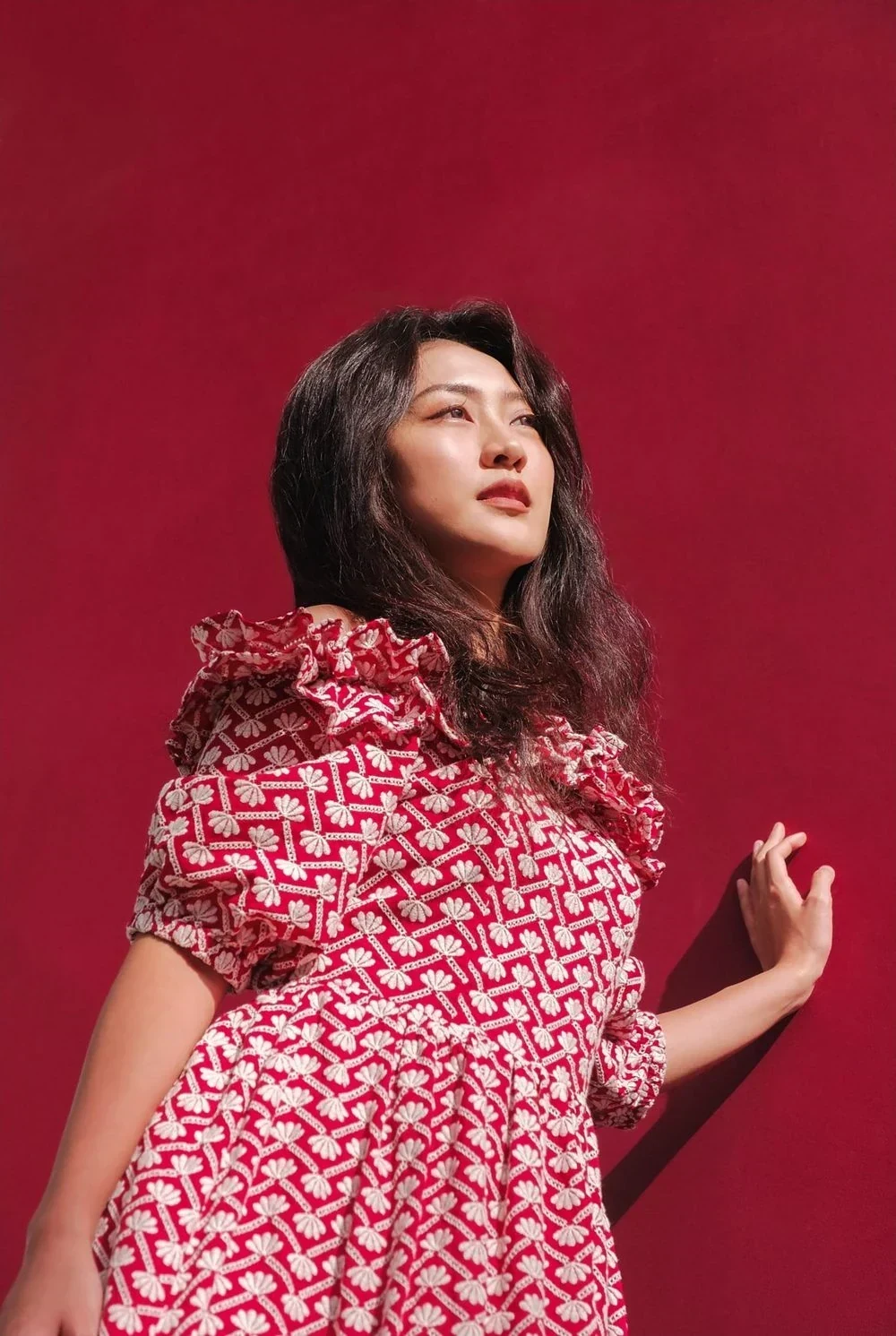 Style 20Soft RomanticRomantic / Editorial
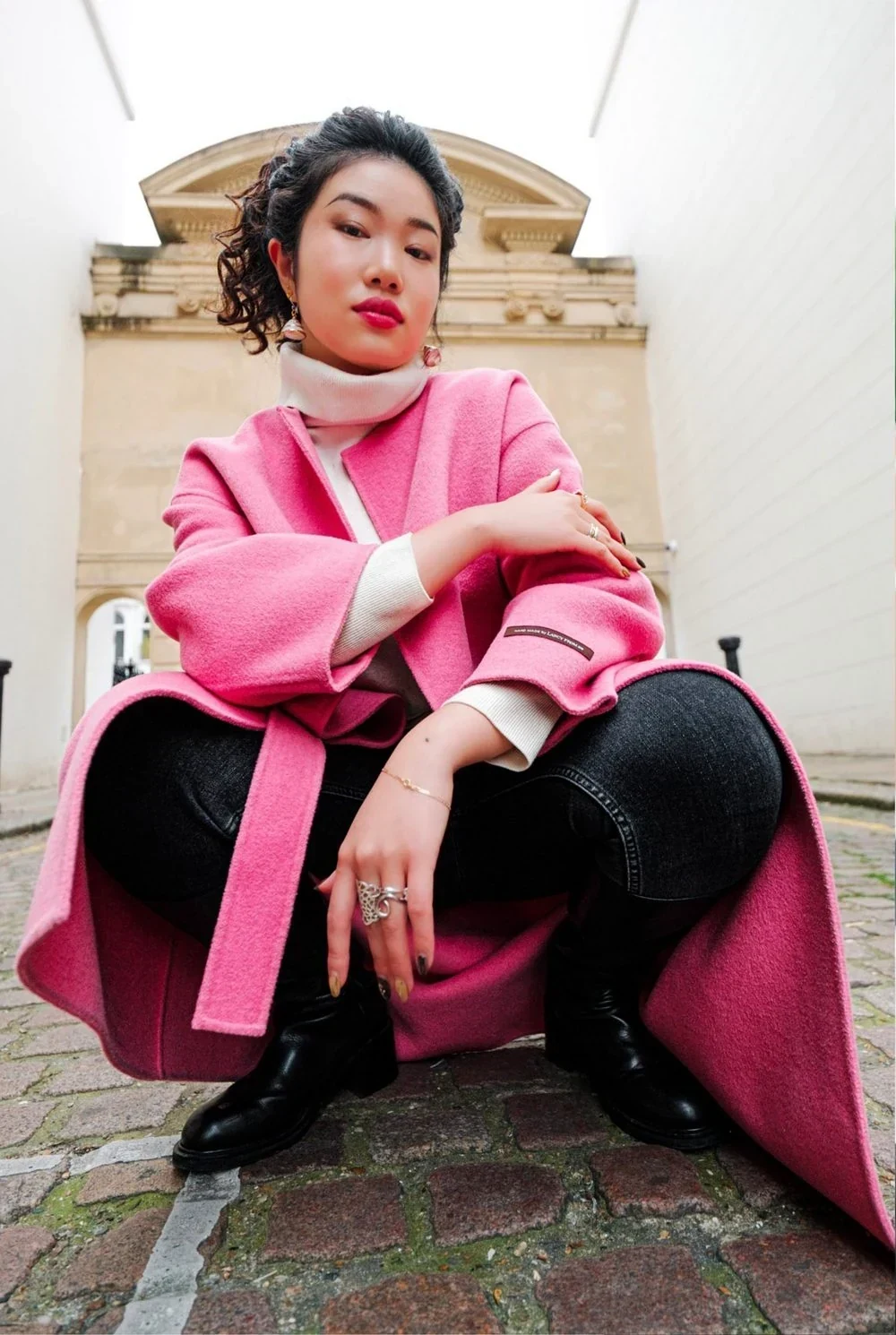 Style 21The Statement CoatOuterwear / Street
A noteDoesn't suit your style?These are starting points, not the full list. Choose Something else when you book and describe your own direction.Styling Yourself for a Shoot →
Doesn't suit your style?
That's completely fine, these are starting points, not the full list. On the booking page, select Something else under styles and describe the direction you have in mind instead. See Styling Yourself for a Shoot for more on building your own sense of style beyond these 21 looks.
A Few Questions
A few questions
Something that fits well and feels like you matters more than any specific item. Tailored pieces, denim, knitwear, layering, colour and bold patterns can all look great and add personality. Keep the focus on you rather than the clothing, so skip logos worn for their own sake and busy graphic prints, unless they're part of a well-designed piece or you've restyled them. Hoodies and costumes aren't part of these sessions, and sportswear only works when it's clearly styled.
Hoodies and costumes aren't part of these sessions. Sportswear isn't in the outfit guide, so only bring it if it's clearly styled, not just put together. A logo worn for its own sake, a slogan tee, or very fine stripes and tiny checks also tend to work against you on camera.
Yes. TFP (Time for Print/Portfolio) sessions like this one don't include a stylist or wardrobe on set, you source and bring your own outfits. That's part of the exercise, thinking through what you'd want to be seen in says something real about your own sense of style, which is exactly what a portfolio is meant to show.
Something simple and well-fitted alongside something with a bit more personality tends to cover the most ground for a first portfolio. One clean, minimal look photographs versatile, while a second look with more texture, colour, or edge shows range. You don't need designer pieces or a huge wardrobe, two well-chosen outfits will always outperform four rushed ones.
Wear what's well made and well designed, designer or not. What doesn't work is a logo worn for the sake of it: a plain T-shirt with a big brand name across it shows the label, not you. A logo that's part of a well-designed piece is fine, like a pattern knitted into a jumper or a small mark on a jacket. Heavily branded pieces can work when the style calls for it, like a vintage racing jacket in an alternative look, but not in clean or street styles. And a logo or graphic tee can work if you've restyled it, cropped or cut into a vest.
Patterns, yes, bold or busy patterns can look great and add real character to an image. A logo is fine when it's part of a well-designed piece or a small mark on a jacket. A big logo worn for its own sake pulls focus onto the clothing rather than you, and can create licensing complications if an image is ever used commercially. That's really the whole distinction, not patterns versus plain, but whether something's competing with you for attention.
Editorial styling leans into mood, concept, and a stronger point of view, the kind of images you'd expect in a magazine spread, often bolder or more directional. Commercial styling is cleaner and more universally wearable, built to show how a product, brand, or look could realistically be sold. Neither is "better", they photograph and read differently, and a portfolio with a mix of both shows more range than committing to just one.
Two, decided and described in advance rather than a growing pile of options to choose between on the day. Two well-considered outfits, each with real thought behind it, gives more usable variety than three or four rushed ones, and keeps the day itself focused rather than spent debating wardrobe.
It matters, but simple and natural generally photographs better than heavy or elaborate, agencies and photographers alike tend to want to see the actual person rather than a finished beauty look. Clean skin, groomed brows, and hair that's you go a long way, no professional styling is required or provided for a session like this, so whatever you're comfortable doing yourself is the right amount.
Whatever matches the outfit and how you'll be moving, a full-body or walking shot needs shoes that hold up to scrutiny, while a close, cropped shot may never show them at all. Comfort is worth prioritising for anything outdoors or on your feet for a while, an ill-fitting shoe becomes obvious in posture and expression far more than people expect.
Questions first? Reach out at contact@mettyunuabona.com