
Portfolio Guide
Portfolio, Polaroids & Comp Cards
What the industry asks for, why it asks, and how to build each one properly.
In short: Portfolio, Polaroids and comp cards explained: what the modelling industry asks for, why it asks, and how to build each one properly.
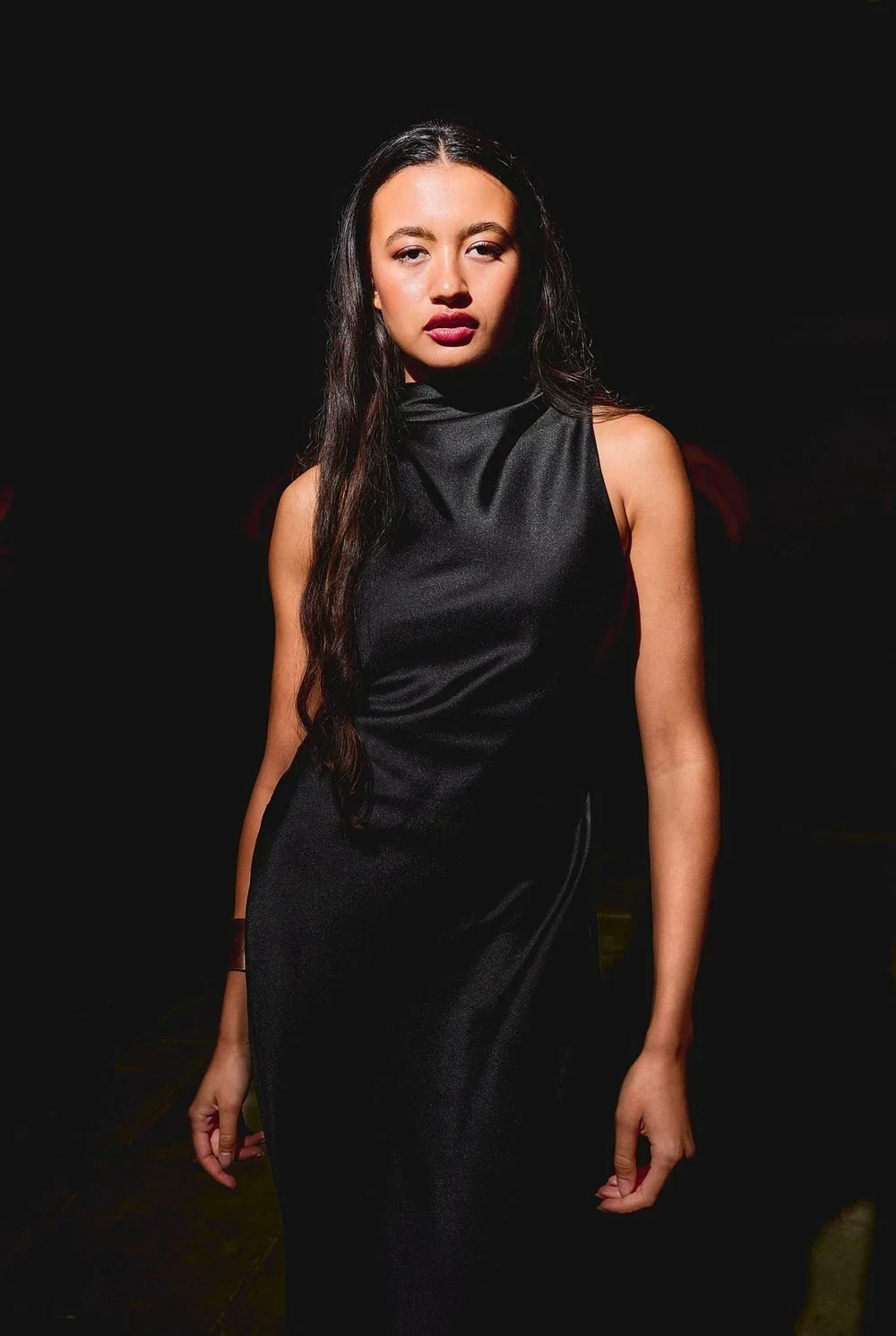
Polaroids and digitals
Most advice on this online is either vague encouragement or a checklist copied from somewhere else. This is neither. This is what the industry asks for, why it asks for it, and what makes the difference between being seen and being scrolled past.
These are the same thing. The industry uses both words interchangeably, and the confusion trips up almost every newcomer. "Polaroid" comes from the instant film agencies used through the 1990s. "Digitals" is the same reference imagery shot on a digital camera, which is how every agency captures and requests them now. If someone asks for either word, you send the same set.
They are the single most important thing you can have starting out, more important than a portfolio. Agencies request digitals first, before anything else, because they show what you look like right now, with nothing hiding behind lighting, retouching, or a photographer's skill.
What makes a good one:
- Completely unedited, no filters, no retouching, no skin smoothing, this is the entire point
- Natural daylight, stand facing a window rather than under a ceiling light
- Plain background, a blank wall is ideal
- Fitted, simple clothing, a plain top and jeans, so your actual proportions are visible
- Minimal or no makeup, hair down and natural
- A standard set: front headshot, side profile, three-quarter, full body front, full body side
- Neutral expression on most, one with a natural smile is fine
What makes a bad one:
- Anything filtered, edited, or run through a beauty app
- AI-generated or AI-smoothed images, however convincing they look
- Heavy makeup or elaborate styling that hides your actual features
- Group shots, sunglasses, or anything obscuring your face
- Low light, night shots, or harsh direct flash
- Baggy clothing that makes proportions impossible to read
- Photos more than six months old that no longer look like you
Agencies want to know what you look like, not an idealised version of you. AI-smoothed or AI-generated digitals are a fast way to get ignored, and worse, if you do get booked off the back of them, the mismatch shows up on set the moment you arrive.
Update them every three to six months, or immediately if your look changes, a new haircut, a colour change, a new tattoo, a change in physique. An agency working from outdated digitals is being given wrong information, and they'll find out the moment you walk in.
The good news: a phone camera is the industry standard for these. You do not need to pay anyone. Accuracy is what's being assessed, not production value.
The portfolio
If digitals show what you look like, the portfolio shows what you can do. It's where range lives, different moods, different styling, different energy, evidence that you photograph well across more than one narrow look.
Most experienced models keep it curated to around 10 to 15 strong images. Not everything you've ever shot. A tight, confident selection reads far better than a large one padded out with near-misses, because a booker looking at twenty images will judge you on the weakest three. You don't need to show everything you've ever shot, only what's good.
What belongs in it:
- A clean headshot, well lit, clear expression
- A full-length shot that shows real proportions
- At least one look with genuine personality, not just neutral
- Visible variety in styling, one minimal and clean, one with more edge or texture
- A mix of moods, something editorial alongside something more commercial
- Movement, not just static standing, walking, turning, mid-gesture
Variety is the whole point. Ten images that all look the same tell a booker you have one look. Six images across different moods tell them you can be placed in more than one job.
Starting out, two well-shot outfits from a single collaboration session is a real portfolio, not a placeholder. Everyone starts with nothing. Nobody is waiting for you to have twenty images before they'll look.
One more thing worth saying plainly: don't edit a photographer's images yourself. If you don't like how something turned out, don't use it, but reworking someone else's work without asking is a quick way to burn a working relationship, and it's rarely as good as it looks to you in the moment.
The comp card
A comp card (short for composite card, sometimes called a sed card) is the condensed handout version of everything above. Industry standard size is 5.5 by 8.5 inches, roughly A5, printed so a client walks away from a casting with you physically in their hand.
Front: one single headshot, your strongest, with your name.
Back: three to five images showing genuine range, plus your stats.
The stats matter more than most newcomers realise: height, bust or chest, waist, hips, dress size, shoe size, hair colour, eye colour. This isn't vanity or gatekeeping, it's logistics. Brands and fashion houses work to sample sizes that already exist. A casting director looking at your card needs to know in two seconds whether the clothes they have will physically fit you. Accurate measurements get you considered. Inaccurate ones waste everyone's day and damage your reputation.
You don't need a comp card to get signed. Agencies typically design one for you after signing, using your portfolio. Digitals come first, portfolio second, card last. Anyone insisting you must pay for a comp card before they'll represent you is a red flag.
A Few Questions