
Notes: For the New Face
Models vs Content Creators
A different skillset and a different kind of work, not a hierarchy.
In short: Models and content creators compared: a different skillset and a different kind of work, and why neither is a step above the other.
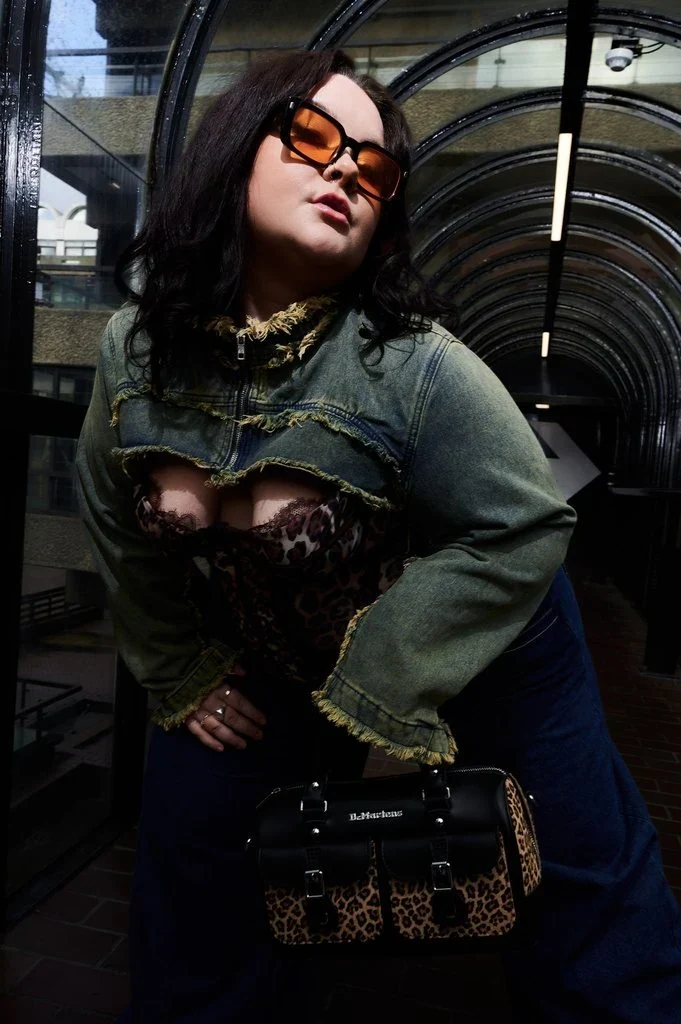
Two different jobs, not two versions of one
Both are legitimate, real work. They're just not the same job, and confusing the two causes real friction on both sides. Models and actors sell their physical presence, versatility, and performance to help a creative director realise someone else's vision, a brand's, a magazine's, a designer's. Content creators produce promotional content, often user-generated in style, primarily to build and monetise their own personal brand and following.
Neither is more legitimate than the other, but they involve different skills, different working relationships, and different expectations from the people hiring you. Plenty of people do both, but they're still two separate jobs, not one blended identity, and it's worth deciding which lane you're aiming for rather than drifting between them without a clear intent.
What UGC work actually involves
UGC, user-generated content, is its own specific line of work that sits closer to content creation than modelling. Brands and social media agencies hire people specifically to produce content that looks native and unpolished, filmed on a phone, talking directly to camera, reviewing or demonstrating a product the way a real customer would. It ranges from lo-fi, one-take phone videos through to higher production, more scripted work for bigger brand deals.
UGC needs a different skill set from traditional modelling: being comfortable and natural talking to camera, holding an audience's attention with your voice and delivery, not just your appearance. Someone who's a strong, confident model in front of a still camera isn't automatically good at this, and the reverse is just as true.
Why this matters for how you're evaluated
A photographer or agency evaluating a model for a shoot is generally assessing physical versatility, range, and professionalism, not follower count. A brand looking for a content creator or UGC talent is generally assessing audience size, engagement, and on-camera delivery first.
Turning up to a professional modelling opportunity expecting it to work like a UGC content deal, or the reverse, tends to create mismatched expectations for everyone involved.
A collaboration session exists to build portfolio and editorial work, not to supply free commercial content assets for someone's personal brand. Being clear about which one you're looking for, before you apply anywhere, saves confusion later. See Portfolio, Polaroids & Comp Cards for what that portfolio work should look like.
A Few Questions