
Notes: For the New Face
Types of Modelling
Fit, e-commerce, parts, and the specialised lanes beyond the catwalk.
In short: Types of modelling explained: fit, e-commerce, parts and the specialised lanes beyond the catwalk, and what each one asks of you.
Runway and catwalk
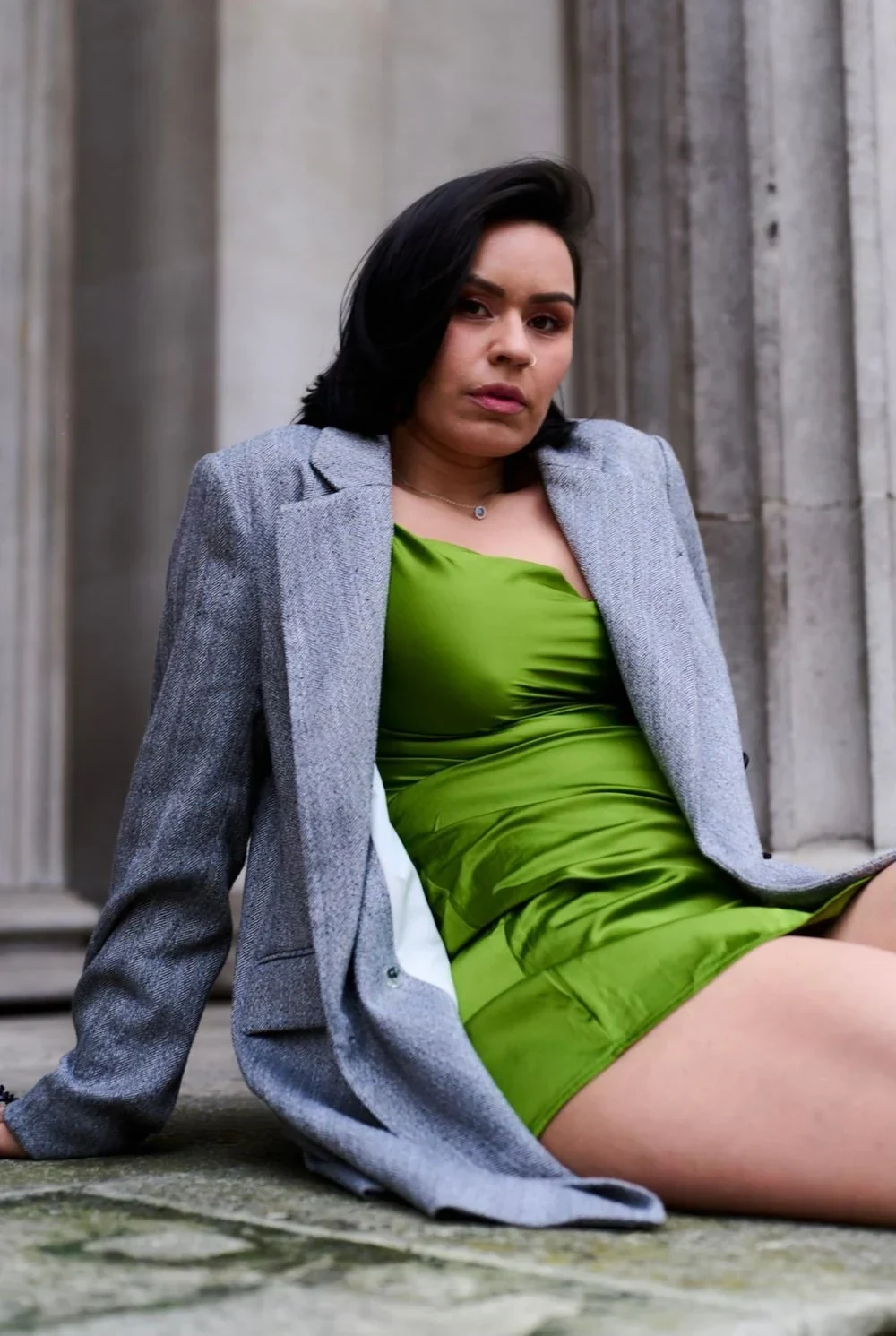
"Modelling" covers far more than the catwalk, but it's worth naming properly since it's the type most people picture first. Runway models show designer collections live at fashion shows, London Fashion Week is the most visible UK showcase, alongside regional fashion weeks, student shows, and shopping centre events. Success here comes down to walk, posture, and the ability to carry a designer's vision down the runway, and it's the most height-restricted lane in the whole industry, typically 5'9" and up. Editorial and commercial work sit alongside runway as the other two major fashion lanes, with very different requirements from each other, see Editorial vs Commercial Modelling for the full breakdown.
Fit modelling
Working directly with clothing designers and garment technicians to test sizing, drape, and how a garment moves on a real body, before it ever goes into production. This requires exact, consistent measurements over time rather than a particular look, brands need someone whose body stays stable so the same fit checks mean something season after season. It's quiet, unglamorous work, but stable and repeat for the right build.
E-commerce and catalogue
High-volume studio shooting for online retailers and print catalogues. This demands physical stamina and rapid pose variation over a long day far more than a distinctive look, brands need consistent, clean, repeatable results across hundreds of product shots in a single session. It's one of the more accessible lanes to break into, since the physical requirements are far looser than fashion work.
Fitness modelling
Athletic build and visible condition matter here more than height. Fitness modelling covers activewear campaigns, supplement and gym brand advertising, and health and wellness content, and it's a active, well-paid lane in the UK with its own dedicated agency boards.
Mature modelling
Advertising work aimed at an older audience, generally models 40 and up. Demand has been climbing steadily, brands selling travel, home goods, health products, and financial services actively cast mature models for print, lifestyle, and commercial work, and grey hair or visible age reads as an asset in this lane, not something to hide.
Parts modelling
Specialised work focusing exclusively on one feature, hands, feet, hair, eyes, or lips, for jewellery, footwear, skincare, and luxury goods. A niche lane, but a consistently working one for anyone with a distinctive feature, and agencies maintain dedicated parts boards for it.
None of these lanes require runway height or a high fashion look. Most working models make their actual income from a mix of several of these rather than one single, glamorous category.
Other lanes worth knowing
- Plus-size or curve: broadly UK size 12 and above, though the exact cutoff shifts between high fashion and commercial boards. A growing category across fashion, e-commerce, and editorial work.
- Petite: roughly 5'1" to 5'7". Runway is largely closed to this height range, but catalogue, commercial, swimwear, and parts work are wide open.
- Glamour: shot for men's publications and websites, more shapely and curvaceous casting than editorial or runway, with its own set of safety considerations worth being especially careful about.
- Swimwear and lingerie: cast on fit and consistency more than any single measurement, sitting alongside the softer end of glamour work.
- Alternative: models with tattoos, piercings, or a distinctive personal style, cast by brands and publications that specifically want a look outside the traditional mould.
- Promotional: live brand activations, trade shows, and in-person events rather than photography or film.
- Showroom: demonstrating a designer's collection live for wholesale buyers, distinct from a public-facing runway show.
- Body double and stand-in: working on film and TV sets as a physical double or lighting stand-in for a lead performer.
- Print: billboards, leaflets, posters, and magazines, functionally close to commercial work but usually less selective on look.
A Few Questions